
Key Takeaways
- Choose tree species suited to Southeast Michigan’s soil, climate, and space constraints.
- Proper planting, watering, and mulching are essential for long-term tree health.
- Regular pruning improves structure, safety, and disease prevention.
- Monitor trees after storms and address damage promptly to avoid hazards.
- Early detection of pests and diseases helps protect both individual trees and the urban canopy.
Maintaining healthy trees in urban environments like Southeast Michigan requires understanding local conditions and implementing proper care techniques. Many trees in this region face challenges such as compacted soils, temperature fluctuations, salt exposure from winter road treatments, and pest infestations. Homeowners must recognize these unique pressures and adapt their tree care practices accordingly. This guide offers practical, easy-to-follow advice to help your trees flourish, even in the challenging settings found throughout urban and suburban neighborhoods. For tasks that require greater expertise or specialized equipment, consider consulting tree contractors in Southeast Michigan, such as Clean Cut Tree Experts. Based in Farmington Hills, MI, they have been serving the region since 2010, offering a full suite of tree services, including tree removal, trimming, pruning, and 24/7 emergency response. Their dedication to safety, professionalism, and customer satisfaction makes them a trusted authority for homeowners looking to protect and nurture their trees for generations to come.
Choosing the Right Tree for Your Space
Selecting the appropriate tree species is crucial for maintaining a tree’s health and aesthetic appeal. Take into account factors such as the mature size, soil type, sunlight exposure, pest and disease resistance, and available space above and below ground. Some trees excel in Michigan’s clay soils, while others do better in sandy or loamy soils. Choosing trees that match your site’s sunlight and drainage conditions will help them establish quickly and endure stress more effectively. The Michigan Department of Natural Resources provides a regional guide for suitable urban trees. Conducting thorough research and planning helps prevent mistakes such as planting too close to buildings, driveways, or power lines, which can result in costly removals.
Proper Planting Techniques
When planting a tree, use correct techniques to promote healthy growth. Start by calling MISS DIG 811 to check for underground utilities. Select a spot and dig a hole twice as wide as the root ball but no deeper, to support robust root development. Make sure the root flare is level with the ground to avoid problems like root suffocation and trunk rot. Place the tree, fill the hole with the excavated soil, tamp gently, and water well. Avoid over-fertilizing, which can damage young roots. Proper planting ensures a strong, healthy tree that beautifies your landscape.
Watering Practices
Watering is essential, particularly for young trees that require steady moisture. Strive to provide about 1 inch of water per week, targeting the root zone with slow, deep watering to promote deep root growth and drought resistance. During hot or dry periods, increase watering frequency. Mature trees also need watering in drought conditions to avoid stress. Use a slow trickle or soaker hose for thorough absorption, and water early in the day to minimize evaporation. Correct watering practices support the healthy growth and survival of trees.
Mulching for Tree Health
Mulching is an easy yet effective way to support trees, especially in urban and suburban settings where grass and weeds compete for soil moisture and nutrients. Applying a 2-4 inch layer of organic mulch, such as wood chips, bark, or compost, helps retain moisture, regulate temperature, release nutrients as it decomposes, and hinder weed growth. Ensure mulch is kept 2-3 inches away from the trunk to avoid rot and pests. Extend the mulch to at least the dripline when possible. Avoid creating “mulch volcanoes,” which can suffocate roots and lead to diseases. Regularly inspect and refresh mulch to maintain its effectiveness and visual appeal.
Pruning and Maintenance
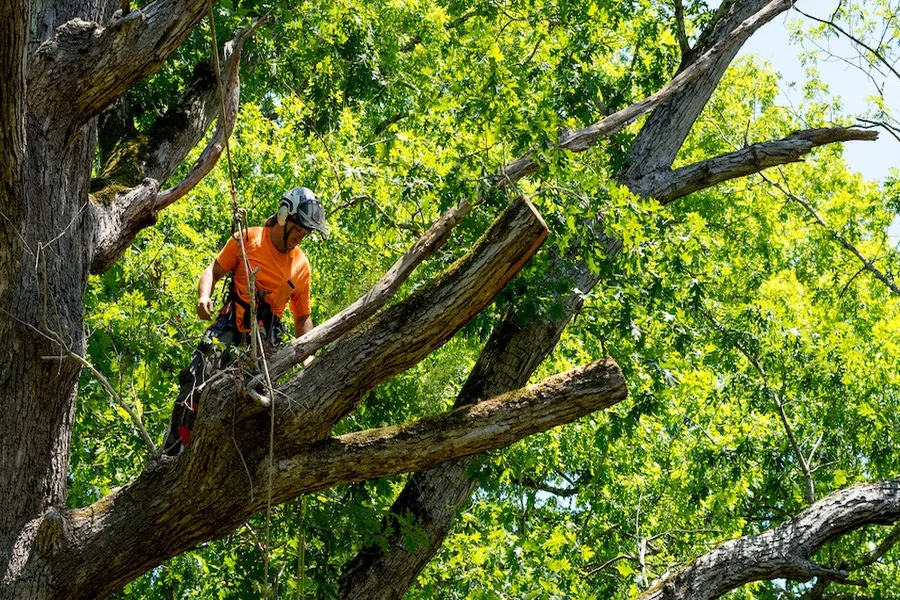
Regular pruning is essential for maintaining the health and safety of trees in urban areas. Its main goal is to eliminate dead, diseased, broken, or crossing branches before they cause issues. Expert pruning enhances the tree’s overall structure, promotes better airflow within the canopy (which helps prevent disease), and can improve flowering or fruit yield in ornamental and fruit trees. The ideal time to prune most trees is during their dormant period, late fall to early spring, when the risk of spreading disease is lower, and trees experience less stress. For large branches or trees near utility lines or buildings, hiring professionals is recommended to prevent injury and ensure correct pruning techniques.
Storm Damage and Recovery
Severe weather conditions, such as strong winds, ice, snow, and lightning, can harm trees in Southeast Michigan. After a storm, check trees for cracked limbs, broken branches, or leaning. Even healthy-looking trees might have hidden root or structural problems. For significant damage, such as large hanging branches, splitting, or trees leaning toward buildings or power lines, it’s best to seek professional help. The Michigan Department of Natural Resources warns that storm-damaged trees can behave unpredictably, and working near power lines can be dangerous. If you see downed branches close to utility lines, stay away and contact your utility provider right away. Acting quickly after storms can help prevent property damage and help restore the urban canopy.
Recognizing and Managing Tree Diseases
Urban trees can be vulnerable to diseases and pests, especially when stressed. Look out for signs like leaf discoloration, wilting, abnormal leaf drop, cankers, and unusual growths or fungi. Early detection is key to preventing the spread of issues and saving trees. Resources like Michigan State University Extension offer guidance on identifying and treating problems, including anthracnose, verticillium wilt, and pests like the emerald ash borer. Consulting local experts is essential for accurate diagnosis and effective management to protect your trees and community.
Community Involvement and Resources
Engaging in local urban forestry programs benefits the environment, encourages neighborly networking, and grants access to resources. Support from programs like the DTE Energy Foundation’s grants promotes community beautification and improves environmental health, resulting in healthier urban forests in Southeast Michigan. These initiatives often provide free trees, planting guidance, and educational events to help neighborhoods grow their canopy. Workshops and volunteer efforts offer hands-on experience and strengthen community connections. Active residents play a crucial role in maintaining lush, shaded neighborhoods and vibrant habitats.
Frequently Asked Questions
How often should I water my newly planted tree?
Water newly planted trees once a week, providing about 1 inch of water, especially during dry periods. Monitor soil moisture; if the soil several inches below the surface feels dry, add more water until the tree is established.
When is the best time to prune my trees?
The dormant season, typically late fall to early spring, is ideal for pruning to minimize stress on the tree. For flowering trees, prune right after they finish blooming, unless major pruning is needed, which should wait until dormancy.
How can I tell if my tree is diseased?
Look for signs like discolored leaves, cankers, or unusual growths. Other symptoms include early leaf drop, stunted growth, or visible pests. Consult local extension services for accurate diagnosis and treatment options.