
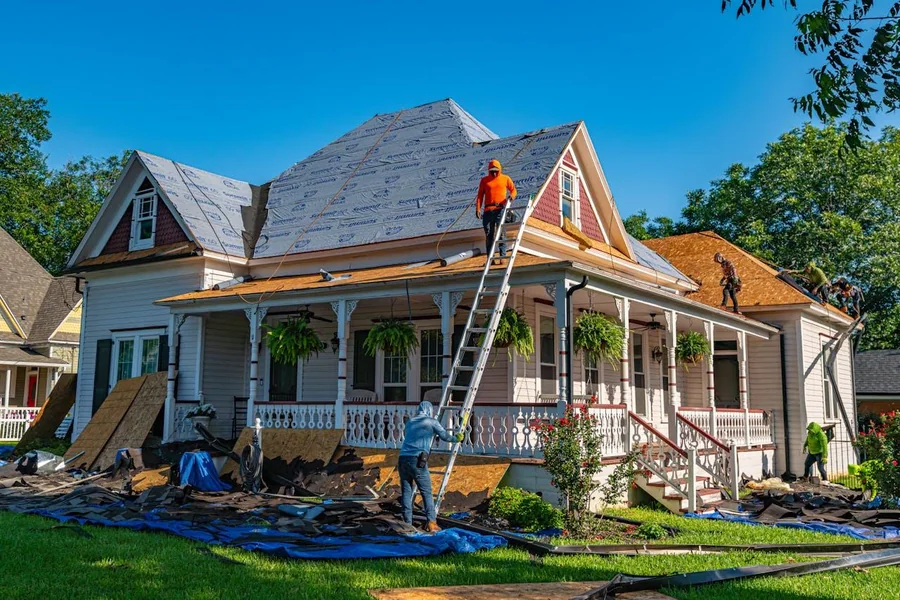
Ever look at a house and wonder how it still looks solid after thirty winters? Homes face sun, wind, rain and snow without complaint. In places like Darien, Illinois, the weather shifts quickly and often. One season brings heavy snow. The next delivers humid heat and pounding storms. That constant change tests every shingle and siding panel.
Exterior care is not glamorous. It does not trend on social media. Yet it protects everything inside the home. A strong exterior keeps water out and warmth in. It shields memories, furniture and daily life. In recent years, rising repair costs and stronger storms have forced homeowners to rethink maintenance. Waiting for damage now feels risky and expensive.
Long-term exterior care means planning ahead instead of reacting. It means checking small issues before they grow. It means building habits that extend the life of materials. In this blog, we will share practical steps, simple routines and smart decisions that help protect your home’s exterior and preserve its strength for decades to come.
Start With the Roof and Work Down
The roof carries the heaviest burden. It blocks rain and snow every season. When it fails, damage spreads quickly.
The roof acts like a raincoat. What if the raincoat tears? Everything underneath obviously gets soaked. That is why regular inspection matters.
Check the roof twice a year. Look for missing shingles and loose flashing. Watch for dark streaks that suggest trapped moisture. Small signs often signal larger trouble ahead.
After severe storms, consider calling a roofing company in Darien for a professional assessment. Experts can identify hidden damage that is easy to miss. Early repairs cost far less than full replacements.
Spring and fall are ideal times for cleaning gutters. Clogged gutters allow water to pool near the foundation – and, trust us, you don’t want that. Water buildup weakens structures slowly and quietly. Move downward to siding and trim. Inspect for cracks and peeling paint. Seal gaps before moisture enters. Paint protects wood from sun and rain.
Think of the exterior as a layered shield. Each layer supports the next.
Build a Seasonal Inspection Routine
Seasonal changes offer natural reminders to care for your home’s exterior. Spring invites cleaning, inspection and, of course, minor repairs after winter wear. Fall prepares the house for colder months – and added weather stress.
Creating a simple checklist makes this process manageable. Here’s how you can do it: in spring, inspect the roof and wash siding to remove dirt and debris. During summer, examine decks as well as seal any exposed wood to prevent moisture damage. Moisture damage can lead to a lot of other issues such as mold growth or wood rot – so be fast and agile in your approach. And in fall, clear gutters and check caulking around windows and doors. Remember it is important to wrap this up before freezing temperatures arrive.
Winter becomes a time for monitoring – rather than heavy repair work. Keep notes after each inspection and record small fixes with dates. Why? Because this habit builds awareness and helps spot patterns over time. Think of it like routine car maintenance. Oil changes happen on schedule – and not after the engine fails. Exterior care follows the same logic.
Simple, consistent routines prevent sudden emergencies and reduce anxiety when storm season approaches.
Protect Against Water and Wind
Water, hands down, remains the greatest enemy of home exteriors. It easily seeps into cracks and weakens materials – gradually.
Check drainage around the foundation. Soil should slope away from walls. Downspouts should direct water several feet from the house.
Install splash blocks or extensions if needed. These small additions redirect water flow safely. Secure loose siding panels and trim boards. High winds can pull at weak edges. Tightening fasteners strengthens resistance.
Inspect windows and doors for worn seals. Replace cracked caulking as proper sealing improves energy efficiency as well as blocks moisture.
These steps feel small. Yet they protect the structure over time.
Invest in Quality Materials
Not all materials perform equally. That part is pretty much clear, yes. But not a lot of people realize that choosing durable products can also significantly reduce long-term costs. See how impact-resistant shingles handle hail and strong winds far better than standard options. On the other, hand fiber cement siding better resists moisture, rot and insect damage. High-quality exterior paint stands up to sun exposure and temperature changes – that too without fading or peeling quickly.
Think of it like this: you buy shoes and a cheaper pair may cost less upfront. But frequent replacements add up over time. The same principle applies to exterior materials. How so? Well, durable options may require a higher initial investment – yet they often pay for themselves through extended lifespan and fewer repair bills.
Make sure you’re researching warranties carefully. Reviewing manufacturer guidelines before making a decision is also equally important. Don’t skip that part. Follow recommended maintenance schedules to protect that investment.
Maintain Curb Appeal With Purpose
Exterior care also shapes how a home feels. A clean facade signals pride and stability.
Trim bushes away from walls. Overgrown plants trap moisture – in addition to blocking airflow. Maintain at least a few inches of clearance.
Wash walkways and driveways annually. Dirt and algae buildup create slippery surfaces and dull appearance.
Repaint trim before wood begins to crack. Fresh paint acts as a protective seal.
These actions improve appearance. They also preserve structural strength.
Plan for the Long Term
Long-term care requires budgeting. Set aside a small monthly amount for exterior upkeep – even modest savings help cover routine repairs.
Schedule professional inspections every few years. Trained eyes detect subtle warning signs.
Stay informed about weather trends in your region. Climate patterns are shifting. Stronger storms demand stronger preparation.
Think beyond immediate needs. Consider how the exterior will perform ten years from now.
The big takeaway is simple. Homes do not fail overnight. They decline through neglect and delay.
Long-term exterior care protects more than materials. It protects security and comfort. It reduces stress during heavy storms. It extends the life of one of the largest investments most families ever make.
So step outside and look up. Notice the roof and siding. Ask what small action today could prevent larger trouble tomorrow. Thoughtful care builds resilience. And resilience keeps a home standing strong through every season.