
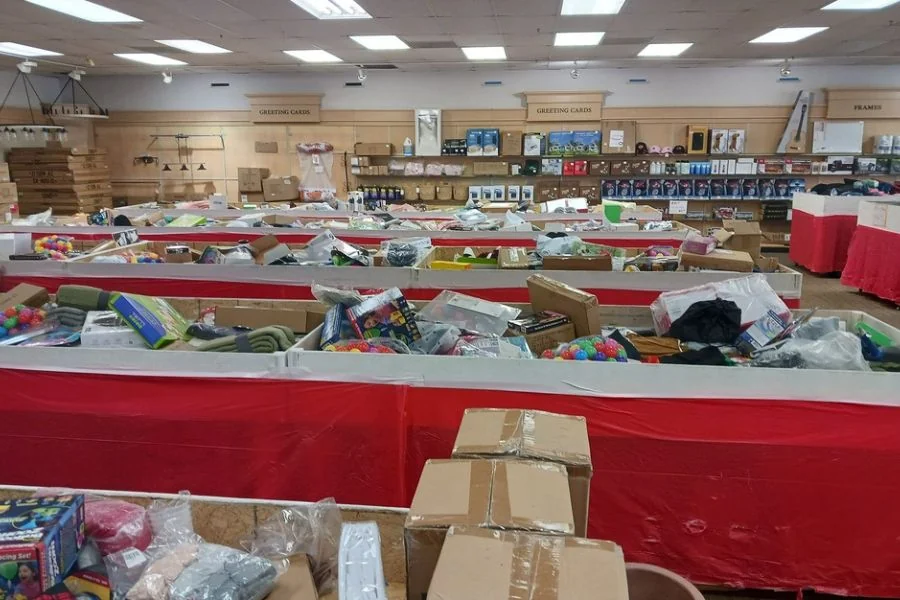
At first, liquidation and bin stores might seem like messy discount shops packed with random items. However, a surprisingly efficient business model is behind those bins of gadgets, clothes, and home goods. Across the United States, thousands of small business owners use this approach to earn a steady income and help cut down on retail waste.
This post explains exactly how the bin store business works, why it’s thriving, and how entrepreneurs make consistent profits from the ever-growing flow of Amazon returns.
Understanding the Liquidation Business Model
Liquidation stores buy pallets or truckloads of returned, excess, and overstocked products from major retailers and e-commerce companies like Amazon. They get these pallets through liquidation marketplaces or wholesale suppliers, often paying just 10 to 20 cents for every dollar of retail value.
Instead of listing and selling each product individually, store owners place the items into large bins where everything is sold at flat, declining prices throughout the week. It’s simple, fast, and scalable.
The appeal for customers is the thrill of the hunt; the appeal for owners is a high-margin, low-risk system where inventory moves quickly.
Where the Inventory Comes From
When a customer returns an item to Amazon, it’s often too costly for Amazon to inspect, repackage, and resell that item as new. Instead, Amazon sells these returns in bulk to liquidation companies. These companies then sort, re-bundle, and sell the inventory to smaller resellers — including local bin store owners.
That means a single pallet might contain hundreds of items across different categories: electronics, beauty, clothing, toys, home goods, and more.
Owners who buy strategically and build reliable supply chains can access consistent inventory that keeps their stores stocked week after week. Some even work directly with platforms that function like an Amazon bin finder, helping them locate reliable suppliers or regional liquidators offering the best deals.
The Pricing Structure That Drives Demand
The brilliance of the bin store business lies in its dynamic pricing system. A typical store might restock on Friday, setting all items at $10 each, regardless of retail value. Then, prices drop daily:
- Friday: $10
- Saturday: $8
- Sunday: $6
- Monday: $4
- Tuesday: $2
- Wednesday: $1
By the end of the week, nearly every item has been sold. The system not only keeps customers coming back but also ensures fast inventory turnover.
This steady movement of goods creates a predictable cash flow, which is essential for making a retail business profitable.
The Profit Margins: Small Items, Big Returns
Profit in the liquidation industry depends on volume and efficiency. Most bin store owners report profit margins of 30% to 60% per restock cycle. The math works because the cost of goods is so low.
For example:
- A store buys a pallet for $1,200 that contains 800 items.
- The cost per item averages $1.50.
- Even if each product sells for $5, the total revenue could reach $4,000 — a profit of over $2,500 after expenses.
Not every item will sell or work perfectly, but profits from high-value items such as electronics or branded accessories help cover any losses.
Location, Foot Traffic, and Community
Successful bin stores thrive on accessibility and repeat business. The most profitable stores are often located in high-traffic areas near residential neighborhoods or small-town shopping centers.
For instance, several bin stores in West Virginia have built loyal customer bases by focusing on local engagement. They post restock videos on social media, share sneak peeks of products, and host special “$1 Days” to attract families and bargain hunters.
This local community connection gives independent bin store owners an edge over impersonal discount chains. Customers enjoy not only the savings but also the excitement and personal touch of the experience.
Turning Chaos into Strategy: The Operations Side
While bin stores may appear unstructured to customers, the back-end operations are surprisingly organized. Successful owners manage their businesses with precision by:
- Tracking Inventory Sources: Building relationships with reliable suppliers ensures consistent quality and supply.
- Monitoring Restock Cycles: Knowing exactly when to refresh bins keeps customer traffic steady.
- Pricing with Purpose: Daily price drops encourage customers to return and help clear inventory quickly.
- Analyzing Customer Data: Tracking which categories sell best helps improve purchasing decisions.
- Managing Staff and Space: An efficient layout and friendly staff create a smooth shopping experience, even with the ‘treasure hunt’ feel.
Many store owners also maintain warehouse areas for sorting and testing high-value items before placing them in bins or selling them individually online.
Balancing Risk and Reward
Not all pallets are created equal. Some contain mostly low-value items, while others might hide brand-name electronics or home products worth hundreds. Successful owners learn to mitigate risk by diversifying purchases, researching suppliers, and inspecting manifests when possible.
It’s all about volume. The more inventory cycles you run, the more consistent your profits become. Smart entrepreneurs treat each restock as an experiment, learning from what sells and what does not.
The Customer Psychology That Powers the Model
Bin stores keep thriving not just because of their prices, but also because of psychology. Shoppers enjoy the sense of discovery and the excitement of finding something valuable. This ‘treasure hunt’ feeling brings them back every week.
The mix of unpredictability and instant gratification keeps customers coming back. Each shopper hopes to find a hidden gem, like a $200 item for just $5, and this expectation fuels both excitement and sales.
The Hidden Sustainability Impact
Beyond profits, liquidation and bin stores contribute to sustainability in retail. Every year, millions of returned products are discarded or destroyed, creating unnecessary waste. Bin stores intercept those items and put them back into circulation.
This circular economy model benefits everyone: retailers reduce waste disposal costs, store owners gain inexpensive inventory, and consumers access affordable goods. In essence, the business behind the bins turns retail inefficiency into environmental progress.
The Road Ahead for the Bin Store Industry
As e-commerce grows each year, the number of returns will keep rising. This means the supply chain for liquidation and bin stores will remain strong. Many entrepreneurs are expanding by opening more locations, building online liquidation marketplaces, and even starting franchises.
Technology will also continue to refine the process. Tools like digital inventory management systems, dynamic pricing software, and automated sourcing platforms are already improving efficiency and transparency in the industry.
Final Thoughts: A Simple Idea, a Smart Business
What makes liquidation and bin stores interesting is their simplicity. They turn retail excess into opportunity, changing what was once waste into something valuable. By buying smart, managing inventory well, and building local relationships, store owners can create sustainable, profitable businesses that help both shoppers and the environment.
So the next time you dig through a bin and find a high-end product for just a few dollars, remember: behind that deal is a carefully structured system that keeps retail moving, waste shrinking, and entrepreneurs thriving.