
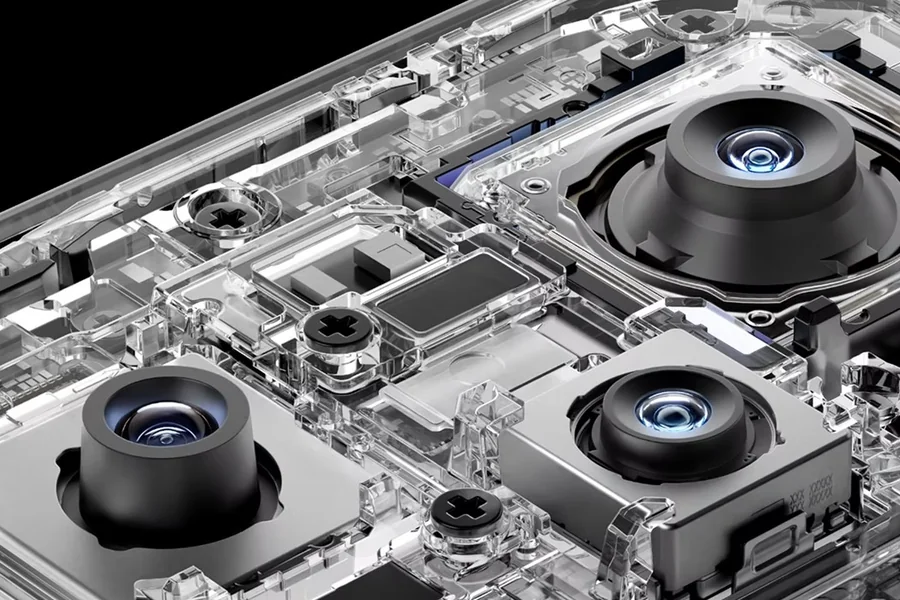
The smartphone photography landscape is evolving rapidly, with flagship devices offering camera systems that rival dedicated DSLRs. In 2025, smartphone brands are pushing the boundaries of mobile photography, providing users with powerful cameras that capture professional-quality images. Whether you’re an avid photographer or someone who enjoys snapping high-quality photos for social media, choosing the right smartphone can make all the difference. This guide explores the key features to look for in a smartphone camera and highlights the devices that stand out as the best for photography in 2025.
Key Features to Look for in a Smartphone Camera
Sensor Quality and Megapixels
Sensor quality plays a crucial role in the overall performance of a smartphone camera. Larger sensors capture more light, resulting in clearer, sharper photos, especially in low-light conditions. Megapixels are often a focal point for buyers, but they don’t tell the full story. While higher megapixels can improve detail, it’s the sensor size and technology that truly impact image quality. For 2025, smartphones are using larger sensors, offering better low-light performance, improved dynamic range, and more vibrant color reproduction. A camera with a balance of megapixels and sensor quality will deliver the best results for most users.
Lens and Aperture Considerations
The lens quality and aperture size are crucial factors in determining how much light your smartphone camera can capture. A wide aperture, such as f/1.8 or lower, allows more light into the camera, resulting in better photos in dim environments. The quality of the lens itself, including its coating and construction, also impacts image sharpness and clarity. Smartphones in 2025 are equipped with lenses that support multiple focal lengths, from ultra-wide to telephoto, enabling users to capture a variety of shots. A smartphone with high-quality lenses and large apertures will deliver more detailed, dynamic, and vibrant photos.
Software and AI Enhancements
The software behind a smartphone camera can elevate its performance, often making the difference between a good and great shot. AI-powered features, such as scene recognition and real-time adjustments, allow smartphones to automatically enhance photos. Software-driven capabilities like computational photography enable features like portrait mode, HDR, and noise reduction. In 2025, smartphones will increasingly rely on advanced AI to optimize settings based on the scene or subject. For instance, AI can adjust exposure or enhance color in real-time, ensuring photos look their best without requiring manual intervention. The combination of hardware and software ensures a smooth photography experience.

What Makes a Smartphone Ideal for Photography in 2025?
Low-Light Performance
Low-light performance is one of the most important factors for smartphone photography. As the quality of smartphone sensors improves, so does their ability to capture sharp, bright photos even in dim environments. Larger sensors, advanced software, and AI algorithms work together to reduce noise and enhance detail in low-light scenarios. In 2025, the best smartphones for photography will offer exceptional low-light performance with features such as Night Mode or even dedicated night sensors. This allows photographers to capture vivid, clear photos even in challenging lighting conditions, making them ideal for evening shots or indoor settings.
Zoom Capabilities and Stabilization
In 2025, zoom capabilities will be more important than ever for versatile smartphone photography. Optical zoom offers better quality than digital zoom, and smartphones with multiple camera lenses can provide high-quality zoom without sacrificing clarity. Additionally, advancements in optical image stabilization (OIS) help reduce camera shake, ensuring that zoomed-in shots remain sharp. Combined with AI-enhanced stabilization, this makes capturing distant objects or detailed close-ups much easier. Whether you’re zooming in on a subject or capturing a fast-moving scene, look for smartphones with advanced zoom functions and stabilization technology to ensure clear, crisp images every time. For those interested in budget-friendly options, be sure to check out the HONOR 400 Pro Black Friday Deals to snag a top-performing smartphone at an unbeatable price.
Wide Angle and Ultra-Wide Lenses
Wide and ultra-wide lenses are essential for capturing expansive landscapes, group shots, and architectural photography. In 2025, smartphone cameras continue to improve in terms of lens versatility, with many models now offering ultra-wide lenses capable of capturing 120-degree or even 180-degree fields of view. These lenses allow photographers to fit more into the frame, creating stunning wide-angle shots. With advanced software corrections and improved distortion control, smartphones are able to produce clear, sharp images even at wide angles. For photography enthusiasts, having access to wide and ultra-wide lenses offers creative flexibility and the ability to capture more dynamic compositions.
Conclusion
Choosing the best smartphone for photography in 2025 means looking at a combination of factors such as sensor quality, lens capabilities, and software enhancements. A smartphone with a large sensor, a wide aperture, and powerful AI features can produce high-quality images across various lighting conditions and scenarios. Key features like low-light performance, zoom capabilities, and wide-angle lenses are essential for taking diverse and stunning photos. As smartphone technology continues to improve, 2025 will bring devices that push the boundaries of mobile photography, offering photographers the tools to capture incredible shots without needing a bulky camera setup.