Santos FC: The Retro Santos Shirt Celebrates a Heritage

 Santos FC

Santos Futebol Clube is not just a football club—it is a symbol of Brazilian pride, global football greatness, and decades of pure magnificent performance. Santos FC was established in 1912 and immediately became well-known for their attacking style, outstanding youth development, and production of some of the most famous football players in history. Today, fans across the globe honour this extraordinary past through the timeless Retro Santos football shirt, a design that proudly depicts the club’s most successful years. Wearing it is a celebration of a historic legacy that changed world football, not just a way to support a team.

The Golden Era: How Retro Santos Captures Santos FC at Its Peak

One of the best periods in football history is still Santos FC’s golden age, which spanned the late 1950s and early 1970s. Santos became a worldwide phenomenon, taking over Brazil and the rest of the world with their amazing skill, strategic acumen, and fluid, attacking football that left spectators in awe. During this period, Santos won numerous domestic titles, two Copa Libertadores trophies, and two Intercontinental Cups. The Retro Santos shirt was born from this era, showcasing the purity, quality, and heritage of a squad that dominated the world stage. Every aspect of the throwback jersey serves as a monument to the time when Santos FC stood unsurpassed in skill and accomplishment.

Pelé: The King Who Turned the Retro Santos Shirt into a Global Icon

When talking about Santos FC, one name shines brighter than all others—Pelé, the King of Football. Pelé spent most of his career with Santos, scoring over a thousand goals and mesmerising spectators with his unrivalled brilliance. His iconic white jersey turned into a globally recognised emblem. Inspired by that time period, today’s Retro Santos shirt captures the elegance and simplicity of the classic outfit Pelé made famous. Wearing it helps supporters to feel linked to the amazing moments he created—moments that not only defined a club but elevated football to a global phenomenon.

Why the Retro Santos Shirt Holds Unique Emotional Value

Because they tell tales of passion, historic triumphs, and iconic players, vintage football shirts are adored. In particular, the Retro Santos shirt is really nostalgic. It symbolises an era when football was played with a sincere passion for the game and was unadulterated and beautiful. Unlike modern jerseys laden with sponsors, bright designs, or intricate patterns, the retro tee captures purity and authenticity. It brings back memories of the early days of football, when joy and inventiveness were paramount. Many fans find that donning a Retro Santos shirt transports them to the heyday of football.

A Global Football Symbol: Why Retro Santos Appeals to Fans Worldwide

One of the first teams to showcase Brazilian football’s beauty to the globe was Santos FC. Through international tours, they played in Europe, Africa, Asia, and North America, bringing large crowds eager to watch Pelé and his teammates do magic on the pitch. Millions of supporters from all around the world came to love the club’s flare and style as a result of these trips. Today, people from all corners of the world hunt for the Retro Santos shirt not simply as a souvenir but as a symbol of football history. It represents a club that helped spread the joy of the beautiful game across nations.

Keeping History Alive: Retro Santos as a Tribute to Classic Football

The Retro Santos shirt is more than just beautiful sportswear—it is a historical item. Every element, from the clean white color to the minimalist design, reflects the classic kits worn during Santos FC’s peak. It honors legends like Pelé, Coutinho, Pepe, Zito, and Clodoaldo, players who helped Santos build a legacy few clubs can match. Whether displayed in a collection, worn proudly at a match, or kept as a cherished keepsake, the Retro Santos jersey serves as a powerful tribute to one of football’s greatest eras.

Why Every Football Fan Should Own a Retro Santos Shirt

For football lovers, historians, collectors, or even casual fans, owning a Retro Santos shirt is vital. It transports you back to a time when football was unadulterated, beautiful, and expressive. It denotes passion, heritage, and quality. Whether you admire Pelé’s legendary moments, appreciate Santos FC’s global influence, or simply love classic football fashion, the Retro Santos shirt offers a beautiful and meaningful way to celebrate the sport’s heritage. It is not just a jersey—it is a tribute to excellence and a reminder of the joy football has brought to the world.

The Cost of Oven Cleaning: Is It Worth It? 

Let’s be honest, cleaning the oven is one of those household chores that sits firmly at the bottom of everyone’s to-do list. It’s right down there with descaling the kettle and cleaning behind the fridge. We put it off, telling ourselves it’s “not that bad yet,” until one day a suspicious plume of smoke billows out when we preheat it for pizza night. That’s usually the moment we face the greasy, baked-on reality. 

While you can tackle this daunting task yourself with a bottle of harsh chemicals, a pair of rubber gloves, and a great deal of elbow grease, there’s another option: professional oven cleaning. But is it actually worth the cost? It’s a service that sounds like a luxury, something reserved for people who have their lives far more together than the rest of us. 

This post will break down the costs associated with professional oven cleaning and explore the benefits. We’ll look at what you’re really paying for, how it compares to the DIY route, and help you decide if it’s a smart investment for your home and your sanity. 

What Does Professional Oven Cleaning Involve? 

When you hire a professional, you’re not just paying for someone to give your oven a quick wipe-down. It’s a deep, detailed process that goes far beyond what most of us are willing or able to do. A professional service typically includes: 

  • A Full Disassembly: Technicians will carefully remove all removable parts of your oven. This includes the oven racks, trays, side panels, and sometimes even the fan and back panel. 
  • Specialized Dip Tanks: Those grimy racks and panels are soaked in a heated, non-toxic solution in a tank, usually located in the technician’s van. This process effectively strips away a year’s worth of grease and burnt-on food without the intense scrubbing. 
  • Detailed Interior Cleaning: While the parts are soaking, the technician focuses on the oven’s interior. They manually scrape away carbon deposits and grease using specialized tools and pastes that are powerful but safe for the oven’s enamel. 
  • Glass Restoration: They’ll also clean both sides of the oven door glass, often taking the door apart to get to the space between the panes. This is how they achieve that “brand new” sparkle that seems impossible to get on your own. 
  • Reassembly and Polish: Once everything is pristine, the technician reassembles the oven, gives it a final polish, and tests it to ensure it’s working correctly. 

The result is an oven that doesn’t just look clean but is hygienically clean, free from the carbonized food and lingering odors that can affect the taste of your cooking. 

The Cost of Professional Oven Cleaning 

So, how much does this all cost? Prices can vary based on your location, the type and size of your oven, and the company you choose. However, you can expect to pay within a certain range. 

Here’s a general breakdown of average costs: 

  • Standard Single Oven: $75 – $150 
  • Standard Double Oven: $100 – $200 
  • Range or Larger Cooker: $150 – $300+ 

Some companies may charge extra for additional services like cleaning the hob (stovetop) or the extractor hood. It’s always a good idea to get a clear quote upfront that details exactly what’s included in the price. 

DIY vs. Professional: A Cost and Effort Comparison 

On the surface, the DIY approach seems much cheaper. A can of oven cleaner can cost as little as $5. Add a pair of gloves and some paper towels, and you might spend less than $10. 

But the true cost isn’t just financial. Let’s consider the other factors: 

  1. Time: A proper DIY oven clean can easily take three to four hours, and that doesn’t include the time your kitchen is out of commission while you wait for the chemicals to work. A professional can typically get the job done in about two hours. 
  1. Effort and Discomfort: This is not a pleasant job. It involves kneeling on a hard floor, reaching into awkward spaces, and scrubbing relentlessly. The fumes from many store-bought cleaners can also be overpowering and require significant ventilation. 
  1. Effectiveness: Let’s be real—it’s nearly impossible to achieve the same results as a professional. Without the dip tank and specialized tools, you’ll struggle to get your oven racks and interior back to their original state. You might make it look better, but it won’t be the showroom-clean finish a pro can deliver. 
  1. Risk of Damage: Using the wrong cleaning products or being too aggressive with scrapers can damage the enamel lining of your oven. A professional technician is trained to clean effectively without causing harm. 

When you weigh these factors, the professional fee starts to look more reasonable. You’re not just paying for a clean oven; you’re buying back your time, saving yourself from a truly unpleasant chore, and getting a superior result. 

When Is Professional Oven Cleaning Worth It? 

While it may not be a weekly necessity, there are several situations where hiring a professional makes a lot of sense. 

  • End of a Tenancy: If you’re renting, a professionally cleaned oven can be key to getting your full security deposit back. Many landlords have high standards, and a sparkling oven shows you’ve taken good care of the property. 
  • Selling Your Home: A clean, well-maintained kitchen can significantly impact a potential buyer’s perception of your home. A gleaming oven suggests that the property has been well looked after. 
  • Special Occasions: Hosting a major holiday meal or a big party? Having a professionally cleaned oven ensures your kitchen is ready for action and that your signature roast doesn’t taste faintly of last month’s burnt cheese. 
  • You Simply Hate Doing It: For some, the cost is worth it just to avoid a job they absolutely despise. If cleaning the oven fills you with dread, outsourcing it can be a great act of self-care. 

Make Your Oven Shine 

Ultimately, the decision to hire a professional for oven cleaning comes down to a personal cost-benefit analysis. Do you value your time and convenience more than the money you’d save by doing it yourself? 

Think of it this way: for the cost of a nice dinner out for two, you can have a professionally restored oven without lifting a finger. You get a cleaner, more efficient appliance that might even make your food taste better. And you get to avoid the dreaded task of scrubbing away baked-on grime for an entire afternoon. For many, that’s a trade-off well worth making. 

What a Wildcard SSL Can Do to You.

Wildcard SSL

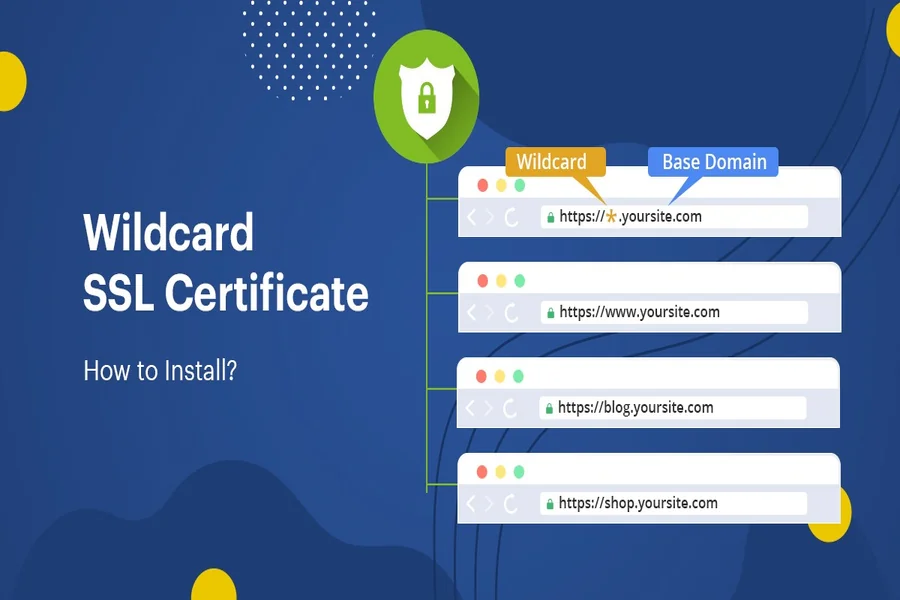
A Wildcard SSL certificate is emerging as a necessary security device to companies that are operating numerous subdomains under a single dominant domain. It is offering an adequate encryption to the principle site as well as extending it to all associated sub domains that fall under the similar domain grouping. The majority of companies have blogs, store portals, and login panels running on different sub domains, and every new subdomain is making the need to have a secure solution more and more urgent. It is one of the issues that a Wildcard SSL is addressing by being able to provide full coverage under one certificate and it is allowing web master more freedom and control. 

The certificate is functioning based on a single asterisk which symbolizes all the possible sub domains and this is a rule that is permitting boundless growth without repetitive certificate acquirement. Online threats are evolving fast and thus companies are in need of a solution that is flexible and scalable and this is where Wildcard SSL is fulfilling that requirement without much efficiency.

Obtaining a Certificate to Sign-in the subdomains.

A Wildcard SSL is whereby the main domain and all of the subdomains attached to it are secured with one certificate. This implies that a company can operate shop.example.com, blog.example.com, mail.example.com, and support.example.com without the need to have several sets of the SSL certificates installed. The certificate is automatically recognizing any subdomain that conforms to the pattern it is allowed, and it is implementing strong encryption immediately the subdomain is free to use. This is making the risk less and enhancing uniformity throughout the entire domain structure. 

A lot of websites are expanding at a rapid rate and teams are introducing new subdomains of new services. This growth is being supported in a Wildcard SSL without additional validation procedures and technical setbacks. This is assisting developers, marketers and administrators to concentrate on operations, as opposed to managing certificates. In cases where a single certificate is shared among all subdomains, it is also less tricky to enforce policies since all elements of the site are not adhering to different security standards.

Curtailing the Cost and streamlining of the Budget Planning.

Companies are constantly trying to find out how to decrease the security costs without sacrificing the security. This is being realized through a Wildcard SSL certificate which is replacing numerous individual certificates which would have to be purchased and renewed individually. Traditional certificates may be costly and difficult to monitor when the companies expand and they have numerous additional subdomains. Through a Wildcard test, the price will be predictable since a single certificate will be used to cover it all under the domain. The add subdomain process is free, and the process of re-validating all new sections of the site is not needed. 

This will ensure that the teams are able to plan the annual budgets, keep the renewal schedules true, and prevent imminent costs. It is also decreasing the paperwork that is associated with keeping track of numerous individual certificates. This operational and financial ease is causing Wildcard SSL to become popular with growing companies.

Final Thoughts

The broad security, reduced cost, enhanced trust, and simplified management is being provided by a ssl certificate wildcard. It is also an effective alternative to firms which have numerous subdomains and require an efficient and trustworthy security tool. In case your web site is growing, Wildcard SSL will be able to grow with you and secure your users with a sense of security.

Benefits of Pilates Chapel Hill for Improved Posture and Balance

Pilates Chapel Hill

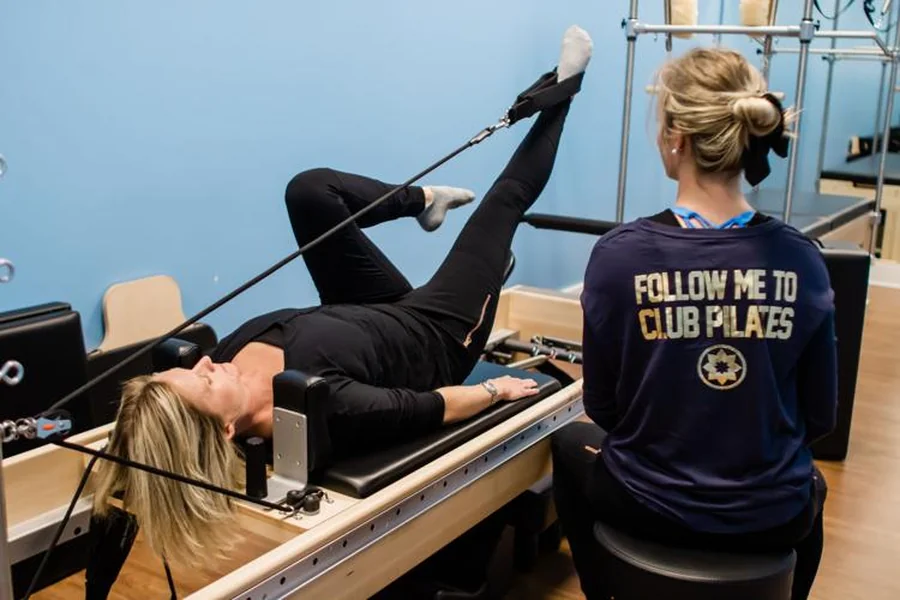
Pilates is a versatile exercise approach focused on improving core strength, flexibility, and overall body awareness. Originally developed by Joseph Pilates in the early 20th century, its core principles center around precision, control, and concentration, making it an excellent option for boosting posture and balance. In Chapel Hill, Pilates has gained remarkable popularity due to its ability to meet the wellness needs of its residents, who are eager for holistic fitness solutions.

A study has shown that Pilates effectively enhances posture by engaging and strengthening core muscles, which are essential for maintaining an upright alignment in daily activities. This study on Pilates and posture supports the claim that a dedicated Pilates regimen can lead to better postural habits. The growing interest in such benefits is reflected in the numerous Pilates studios and classes available throughout Chapel Hill, indicating a thriving community of practitioners passionate about improving their physical well-being.

Key Benefits of Practicing Pilates

Pilates offers a host of benefits, particularly in improving posture and balance. Here are some of the key advantages:

  • Enhanced Core Strength:
    • By continuously engaging the core, Pilates helps to stabilize the spine and improve body alignment, contributing to overall physical wellness.
  • Increased Flexibility:
    • Regular practice stretches muscles and improves joint mobility, contributing to better posture and less discomfort during movement.
  • Improved Balance:
    • Pilates exercises naturally enhance coordination and balance, reducing the risk of falls and injuries.
  • Stress Reduction:
    • The focus on breathing and mindfulness promotes relaxation, reducing stress and tension in the body.

Engaging in Pilates regularly can lead to both physical and mental wellness, making it a comprehensive fitness choice for any age group. These benefits collectively contribute to not just specific physical improvements but a holistic enhancement of one’s overall health and quality of life. As more residents in Chapel Hill embrace Pilates, they find themselves enjoying these rewards, underscoring its significance in the community’s fitness landscape.

Understanding the Importance of Good Posture

Good posture is more than just standing straight. It’s about maintaining the correct alignment of your body when sitting, standing, and moving. Proper posture is crucial for your health because it:

  • Reduces back and neck pain:
    • By aligning your spine correctly, you minimize unnecessary strain on muscles and ligaments.
  • Boosts energy levels:
    • Good posture can increase blood flow and oxygen to your brain, making you feel more alert.
  • Enhances breathing:
    • Proper alignment allows your diaphragm to function optimally, improving breathing and lung capacity.
  • Prevents injury:
    • Maintaining the right posture decreases the likelihood of developing overuse injuries.

How Pilates Chapel Hill Improves Posture and Balance

Pilates is especially effective at enhancing posture and balance. It focuses on building core strength, increasing body awareness, and improving flexibility, all essential elements for good posture. Pilates in Chapel Hill specifically addresses these issues by targeting the deep core muscles, offering a strong foundation for overall stability. It emphasizes stretching and alignment, which can relieve tension and improve movement efficiency, while requiring mindful movement, which enhances balance and helps develop better postural habits.

Popular exercises in Pilates that target posture and balance improvement include:

1. Pelvic Curl:

  • This exercise helps strengthen the lower back and abdominal muscles.

2. Roll Up:

  • A movement designed to improve spinal articulation and flexibility.

3. Single-Leg Circle:

  • This strengthens the hips and stabilizes the pelvis.

4. Spine Stretch:

  • Ideal for elongating the spine and increasing overall flexibility.

By practicing Pilates regularly in Chapel Hill, participants can significantly enhance their posture and balance, leading to better overall health and well-being. This makes pilates chapel hill an excellent choice for anyone looking to improve their physical health in a supportive community setting.

Comparison: Pilates Chapel Hill vs. Pilates San Diego

When it comes to finding the right Pilates studio, Chapel Hill and San Diego offer unique experiences with their distinct community vibes and offerings. Here’s a closer look at how these two areas compare:

Community and Culture

  • Chapel Hill:
    • Known for its college town atmosphere, Pilates here is embraced by students, faculty, and locals. The community is supportive, and studios are often smaller and more intimate, creating a tight-knit environment.
  • San Diego:
    • With its beach city allure, San Diego’s Pilates scene is expansive and varied. You’re likely to find larger studios offering a wide range of classes to cater to diverse fitness levels, fueled by the city’s fitness-forward culture.

Facilities and Offerings

  • Chapel Hill:
    • Studios often focus on a personalized approach with smaller class sizes.
    • Emphasis on community connection and personal growth.
    • Offers classes tailored to improving posture and balance through Pilates.
  • San Diego:
    • Bigger facilities with more equipment variety.
    • Offers a wider array of specialty classes like outdoor Pilates.
    • The presence of many certified and experienced instructors catering to a larger market.

Regional Preferences

  • Chapel Hill:
    • Local studios tend to incorporate holistic and mindful practices into their Pilates sessions, aligning with academic life and community values.
  • San Diego:
    • Classes often capitalize on the city’s sunny weather, integrating outdoor sessions and incorporating more dynamic Pilates styles.

Finding the Right Pilates Near You

Finding a great Pilates studio doesn’t have to be daunting. Here are some practical tips to help you find quality Pilates classes near you:

1. Check Online Reviews:

  • Look at platforms like Yelp or Google Reviews to gain insight into others’ experiences. This will help you gauge the quality of the studio and its instructors.

2. Instructor Credentials:

  • Ensure the instructors are certified from reputable organizations. This adds to their credibility and assures you of quality training.

3. Visit Directories:

  • Use resources like Mindbody to locate nearby Pilates studios. It’s a great way to compare classes, prices, and schedules.

4. Ask for Recommendations:

  • Reach out to friends or community groups for personal recommendations. Word-of-mouth can often lead to discovering hidden gems.

5. Trial Classes:

  • Chapel Hill and Durham residents can begin their search with local studios like FlowCorps, Carolina Pilates & Yoga, or Balance Yoga & Wellness, which offer complimentary first classes, certified instructors, and online booking systems that display real-time schedule availability and class descriptions.
  • Most studios offer trial classes or beginner packages. This allows you to experience the class dynamics and studio vibe before committing.

Additionally, consider factors like class size, instructor style, and the specific Pilates approach that resonates with you. With thorough research and exploration, you’re sure to find a Pilates studio that aligns with your goals and preferences, whether you’re based in Chapel Hill, San Diego, or elsewhere.

Exploring Pilates in Nearby Areas: Durham NC and Raleigh NC

While Chapel Hill boasts a vibrant Pilates community, exploring nearby areas like Durham and Raleigh can offer additional opportunities and experiences in Pilates.

Pilates in Durham, NC

  • Local Studios and Offerings:
    • Durham features several well-regarded Pilates studios, offering a range of classes from beginner to advanced levels. Studios often provide personalized sessions that can help you focus on specific areas like posture and balance.
  • Community Events:
    • Durham hosts Pilates events and workshops that focus on improving technique and connecting with the local fitness community.
  • Unique Offerings:
    • Some studios in Durham emphasize fusion classes — combining Pilates with elements of yoga and other fitness disciplines.

Pilates in Raleigh, NC

  • Studio Highlights:
    • Raleigh is home to “Flow Corps Raleigh,” a studio known for its comprehensive Pilates programs designed to improve posture and balance. They offer classes tailored to various skill levels.
  • Expanding Options:
    • As Raleigh grows, so do its fitness offerings. The city supports a thriving community that is enthusiastic about fitness, ensuring a robust variety of classes and workshops that are accessible to Pilates enthusiasts.
  • Events and Workshops:
    • Raleigh frequently holds Pilates events, allowing practitioners to expand their skills and enjoy the social aspects of the community.

Exploring these areas not only broadens your Pilates experience but also introduces you to diverse instructional styles and classes. Whether you are a new or seasoned practitioner, you’ll find valuable opportunities to enhance your practice in these nearby locales.

Everest Base Camp and Manaslu Circuit Trek Difficulty Compared: What Trekkers Should Know

Everest Base Camp

Planning a Himalayan trekking adventure often comes down to choosing between two legendary routes: the classic path to Everest Base Camp, and the remote, rugged circuit around the world’s eighth-highest mountain. While both trails offer spectacular scenery and unforgettable cultural immersion, their difficulty levels differ significantly. Understanding these differences isn’t just helpful — it’s essential for choosing a trek that matches your fitness level, trekking experience, and expectations for altitude, remoteness, and terrain.

This guide compares the difficulty profiles of both routes across key factors such as acclimatization needs, technical demands, daily hiking hours, logistics, weather, and safety considerations. You’ll learn how each trek challenges your body differently, how to prepare, and what type of trekker is best suited for each journey. By the end, you’ll be equipped to make an informed decision between a high-altitude, lodge-based journey in the Khumbu and the wilder, more isolated adventure of the Manaslu Circuit Trek.

Altitude, Acclimatization & Overall Physical Challenge

Altitude plays a defining role in Himalayan trekking difficulty, and both routes reach significant heights. However, the way altitude affects your body differs based on acclimatization opportunities and the steepness of elevation gain.

The Everest Base Camp difficulty profile is shaped by a fast rise into thin air. You fly directly to Lukla (2,860 m), meaning your trek begins already above many acclimatization thresholds. Over the next several days, the trail steadily climbs through Namche Bazaar (3,440 m), Tengboche (3,860 m), and eventually ascends to Gorak Shep (5,164 m) and Kala Patthar (5,545 m).

  • The rapid ascent makes acclimatization breaks essential. 
  • You’ll typically follow an itinerary of 12–14 days, with two full rest days in Namche and Dingboche. 
  • AMS (Acute Mountain Sickness) is a genuine concern due to long daily gains above 3,000 m. 

In contrast, Manaslu Circuit difficulty emerges from the trek’s combination of altitude and rougher terrain. Although you start low at Soti Khola (710 m), you gain altitude gradually through lush valleys, which gives your body time to adapt.

Yet the highest point — Larkya La Pass at 5,160 m — is a long, cold, and exposed crossing:

  • The approach to the pass includes 8–10 hour days at high elevation. 
  • You may sleep above 4,000 m in Dharmasala, where the lack of oxygen is noticeable. 
  • Weather at the pass is unpredictable, adding an extra challenge that isn’t as prominent on EBC. 

Here’s a quick altitude comparison:

  • EBC highest altitude: Kala Patthar (5,545 m) 
  • Manaslu highest altitude: Larkya La Pass (5,160 m) 

Despite EBC reaching higher elevation, many trekkers find the pass day on Manaslu more physically taxing because of its length and remoteness.

Between these two treks, altitude difficulty is shaped not only by numbers but by acclimatization patterns:

  • EBC: Higher altitude overall, but more structured acclimatization days and better facilities for recovery. 
  • Manaslu: Lower summit altitude but tougher pass crossing, harsher weather exposure, and fewer resources at elevation. 

If you’re sensitive to altitude or concerned about acclimatization, EBC may feel more manageable thanks to its predictable ascent and medical resources along the trail.

Terrain, Technical Difficulty & Daily Walking Hours

Everest Base Camp

While both treks are categorized as non-technical, the terrain varies dramatically. The Khumbu is well established, with wide trails, clear signage, and steady foot traffic. Manaslu, on the other hand, is rugged and remote — more wild, less predictable, and physically demanding day-to-day.

Before diving deeper into terrain contrasts, consider these general fitness implications:

  • You should be able to hike 6–8 hours per day for EBC, or 7–9 hours on Manaslu. 
  • Your strength and endurance matter more on Manaslu due to longer stretches without facilities. 

The Everest Base Camp route is well-worn, with wide ascents, stone staircases, suspension bridges, and teahouses spaced closely across villages. However, that does not make it easy:

  • Sections like the climb from Namche to Tengboche test your leg strength. 
  • The trail becomes rockier and colder above Lobuche. 
  • Traffic from porters, mules, and trekkers can slow your pace. 

Yet compared to Manaslu, EBC offers predictable walking patterns and fewer surprises.

Manaslu is a very different experience.
You’ll encounter:

  • Narrow cliffside trails carved into steep hillsides 
  • Slippery paths during the early forested days 
  • Landslide zones 
  • Rockfall-prone sections 
  • A glacier approach to Larkya La that demands early starts and steady focus 
  • Potential snow underfoot during the shoulder seasons 

While still non-technical, this trek requires better footwork and balance. Trekkers often say Manaslu feels like a blend of Annapurna Circuit and a remote expedition route.

Here are some terrain-specific difficulty comparisons:

Everest Base Camp:

  • Better-maintained trails 
  • More stable walking surfaces 
  • Even pacing due to closely spaced settlements 
  • Predictable daily walking hours 

Manaslu Circuit:

  • Steeper ascents and descents 
  • Less-developed trails with variable conditions 
  • Longer, harder days before and after the pass 
  • More river crossings, exposed paths, and rugged topography 

If you enjoy raw Himalayan trekking with a wilderness feel, Manaslu will be deeply rewarding — but undeniably harder on your legs.

Remoteness, Logistics, Permits & Trekking Experience Required

Difficulty isn’t just about how hard you breathe or how steep the trail feels. Practical factors like remoteness, permit rules, and support availability also shape whether a trek feels challenging or comfortable.

Before comparing these factors, it’s worth noting that both regions have strict regulations — but for very different reasons.

Let’s begin with logistical simplicity.

The Everest Base Camp difficulty profile is lower when you consider accessibility and infrastructure:

  • Daily flights connect Kathmandu to Lukla (weather permitting). 
  • Villages appear every 1–2 hours of walking. 
  • You’ll find extensive teahouse networks offering hot meals, charging, Wi-Fi, bakeries, and even gear shops. 
  • Medical facilities in places like Pheriche make altitude issues easier to manage. 

Crowds, however, add a different challenge:

  • Trails can become congested in peak season. 
  • Accommodation may book out unless reserved early. 
  • Passing trains of yaks and mules requires patience and caution. 

Despite these inconveniences, EBC is logistically easier for most trekkers.

Manaslu, on the other hand, demands more planning and resilience.

Permits alone reveal this difference:

  • You need a Restricted Area Permit (RAP), Manaslu Conservation Area Permit (MCAP), and Annapurna Conservation Area Permit (ACAP). 
  • A minimum of two trekkers with a licensed guide is mandatory. 
  • TIMS is not used here. 

Everest Base Camp

This region’s remoteness adds significantly to the Manaslu Circuit difficulty:

  • There is no road access after Machha Khola, meaning evacuation and resupply are more complex. 
  • Teahouses are simpler, often without heated dining rooms. 
  • Power sources are limited, especially near the pass. 
  • Medical help may be hours or days away. 

Some facilities have improved in recent years, but Manaslu remains one of Nepal’s more isolated mainstream treks.

Here are the key comparative challenges for logistics and remoteness:

  • Accommodation: 
    • EBC: Comfortable lodges with consistent menus 
    • Manaslu: Basic teahouses, simple food, limited heating 
  • Communication: 
    • EBC: 4G or Wi-Fi in most villages 
    • Manaslu: Patchy network; signal disappears for days 
  • Evacuation ease: 
    • EBC: Helicopters readily available 
    • Manaslu: More complicated and weather-dependent 
  • Required trekking experience: 
    • EBC: Suitable for strong first-time trekkers 
    • Manaslu: Better for trekkers with prior multi-day high-altitude experience 
  • Best seasons: 
    • Autumn and spring for both, but Manaslu’s microclimates can make early winter crossings difficult. 

These logistical considerations often determine how “hard” a trek feels in real life — not only the physical trail itself.

Conclusion: Which Trek Is Right for You?

Choosing between Everest Base Camp and the Manaslu Circuit Trek ultimately depends on your comfort with altitude, remoteness, and daily endurance. If you prefer well-established trails, reliable teahouses, clearer acclimatization routines, and an iconic Himalayan objective, EBC is the easier and more predictable option. If you want a more challenging adventure with wilder terrain, longer days, fewer crowds, and a sense of genuine isolation, Manaslu offers the deeper expedition feel — but it demands better fitness and prior trekking experience.

Both treks deliver unforgettable Himalayan trekking experiences. One tests your altitude adaptation; the other challenges your endurance and resilience. With realistic preparation and the right expectations, either trail can become the highlight of your time in Nepal.

How to Improve Your Heating System to be warmer in winter

warmer in winter

Maintaining your house warm is supposed to be easy- but to most house owners it is not. Once the weather changes and the chill sets in, even the tiniest issue in your heating system can suddenly become a big pain: uneven heating, increasing utility costs, or that nagging sense that your furnace is doing its best yet never quite keeping pace. And when this rings a bell you are not alone. Most houses are using old or under-sized equipment without knowing what comfort and efficiency they are missing.

It is worth considering whether your heating equipment is the right fit in your space before you settle into a cold house as your new winter home. An adequate furnace installation is capable of drastically lowering the temperature, decreasing energy usage and eliminating the habit of having to keep adjusting the thermostat. But how do you know when what you have is keeping you down?

A frequent cycling is one of the indicators–your system will switch on and off even when the weather is not that cold out there. The other one is uneven heating whereby some rooms remain cold even with your best efforts. These problems tend to indicate an old or inappropriately sized furnace. In most situations, it is more comfortable to upgrade your system than to fix a unit that is already out of its optimal performance. The question is therefore, how much are you losing by not replacing your equipment that is no longer serving your purpose?

The reason why old heating systems fail to keep up

The majority of homeowners are not aware of the impact of internal condition of a heating system on performance. The accumulation of dirt, blocked burners and the exhaustion of parts all cause your system to labor more and longer to generate the same amount of heat. In the long run, this strain results in increased utility bills and increased service call.

The other issue is the outdated technology. Older furnaces are generally less efficient in fuel, and this implies that a large percentage of the heat produced never makes it to your living area. When you realize that your heating bills are increasing year after year, despite a lack of weather pattern changes, then maybe it is your system telling you it is old. The good news? Newer models are smarter to use energy and may even take shorter periods to warm your house with little fuel.

However, efficiency ratings are not the only thing to consider when selecting the appropriate system. The insulation of your home, the condition of your ducts and the design of your home will all contribute to the amount of heat you perceive. Professional evaluation would assist in revealing the latent problems and provide you with a clear understanding of what upgrades would provide the best ROI.

Intelligent Upgrades that Count

Most of the homeowners are amazed to know that modest upgrades can generate significant comfort benefits. As an illustration, by closing air gaps around doors and windows, your house will seem warmer than it was before you can even upgrade your heating system. The same can be said of enhancing attic insulation or cleaning of air ducts that have been neglected – activities that increase system efficiency nearly instantly.

However, at some point, all heating systems become so old that they are not worth fixing anymore. That is when the installation of a new furnace is not only reasonable, but also economically advantageous. Newer systems are more energy efficient, less noisy, and provide more uniform heating for your entire home. You can enjoy a dependable, predictable supply of warmth instead of constantly troubleshooting issues. And by comparing electric supplier rates Ohio, you can further optimize your home’s energy costs while maximizing the benefits of your upgraded system.

Alternatives: Heat Pumps: Worth the Hype?

Discussing heating upgrades, one cannot but mention the increasing popularity of the modern heat pumps. They not only warm your house but they also cool it so they are one of the most versatile HVAC solutions in the market today. A heat pump can provide remarkable efficiency throughout the year in areas with mild weather, such as most of the Santa Clara County.

Naturally, as with any system of HVAC, the installation should be performed properly. An improperly sized or improperly located heat pump can never work optimally. This is the reason why professional heat pump installation in Santa Clara services are required in case you want to be sure of good performance and save as much energy as possible.

The other significant benefit is longevity. The heat pumps usually have a prolonged life when well maintained, since they do not use combustion to produce heat. They instead conduct heat, which is a more efficient process. A heat pump can be a serious consideration in case you want to upgrade your home with not only a comfortable experience but also a reduced utility bill.

The Question of the right system to use in your home

The choice of the most appropriate heating system is more individual than it appears to most individuals. It will rely on the insulation levels of your house, the size of your house, climate, and even your lifestyle. Consider these questions before making any decisions:

  • Do you require a system that heats and cools?
  • Do you care about energy efficiency or is long-term durability more important?
  • Does your existing ductwork accommodate the kind of system you would like to install?
  • Do you intend to remain in your home to enjoy efficiency savings?

A professional assessment will help avoid expensive errors, such as buying a furnace that is either too strong (or too weak) to fit in your room. Under professional advice, you will be able to select a system that will provide you with the same level of comfort without the need to use a lot of energy.

For those seeking professional assistance, consider reaching out to Appalachian Refrigeration Heating & Cooling of Avawam. Their expertise can ensure your system is running efficiently, providing optimal warmth throughout the colder months. With a focus on both residential and commercial systems, they offer tailored solutions that address specific heating needs. Whether it’s routine maintenance or a complete system overhaul, their skilled technicians are equipped to handle it all. By investing in professional services, you can enjoy a cozy and comfortable home environment, free from the stress of unexpected breakdowns or inefficiencies.

The Right Equipment Makes the Difference

Home is not something that you struggle to have every winter. Your existing system is old, it is undersized or just can no longer meet your demands, upgrading your heating equipment can change your comfort at home and save you money every month. Modern heating technology has provided a solution to all homes and budgets with its traditional furnaces and high-efficiency heat pumps.

When you are willing to experience more comfort, fewer repairs and less heating expenses, now is the right moment to consider your opportunities. It is easy to keep warm with the proper installation and a system designed to suit your home.

To ensure your heating system operates efficiently, consider scheduling regular maintenance checks. Professional services like Valley Air, LLC of Mt. Crawford can provide expert inspections and tune-ups, ensuring your system runs smoothly throughout the winter months. By addressing potential issues early, you can prevent costly repairs and maintain a comfortable home environment. Additionally, upgrading to a programmable thermostat can optimize your heating schedule, reducing energy consumption and enhancing overall warmth. Remember, a well-maintained system not only keeps you warm but also extends the lifespan of your equipment, providing peace of mind during the coldest days of the year.

How Tall Is John Wick? A Simple Look at the Action Icon’s Height

How Tall Is John Wick

Many fans ask how tall is John Wick because his height plays a strong role in his movement and presence on screen. The character moves with clear purpose and uses reach and balance in every fight. Viewers notice his frame as much as his skills. So it is natural to wonder how tall this hitman stands in the films.

Before we go deeper into the height of John Wick, it helps to understand why fans pay close attention to action stars. Height shapes how a character fights, walks and reacts. It also changes how scenes are set. When it comes to action heroes, even a couple of centimeters or inches can alter the on-screen impression. This is the reason why the question how tall john wick continues to be a hits among movie viewers.

How Tall Is John Wick? Understanding His On-Screen Height

One clear point fans agree on is this. The actor behind John Wick is tall. Keanu Reeves stands around 6 feet 1 inch which gives John Wick a strong frame in every scene. So when fans ask how tall is John Wick, they usually refer to this height. Directors use camera angles and posture to keep this height steady across the films.

Height supports many of his moves. His long reach helps with throws and holds. His balance helps in gun fights and fast turns. Even simple moments like walking through a hallway become more sharp because of his upright frame.

You will hear fans repeat how tall is John Wick when they compare him with other characters in the movies. They match him with allies and villains. In many scenes his height places him above several people around him. This helps the audience follow him in crowded sets and fast shots.

Let’s break this down even more. When a character like John Wick fights at close range, reach can decide how the fight shifts. A tall fighter can strike or block from a bit farther. This shows in many scenes where Wick steps forward or leans in with speed. His height supports that flow.

This is why the keyword how tall is John Wick comes up again and again. It is not only about a number. It is about how that number works in the story.

How Height Helps Shape His Action Style

John Wick’s movement is steady and sharp. Height plays a direct role in this style. When he enters a room, he stands straight. When he fights, he keeps his feet firm. His height gives him control in many motions.

Here are a few ways height shapes him on screen:

1. Reach in Combat

A tall frame gives Wick more reach. This helps in fights where he has to strike fast. It also helps in fights where he must grab or redirect an enemy.

2. Quick Step Turns

His weight is spaced well because of his height. So he turns fast in many scenes. This makes the action look smooth.

3. Clear Presence in Groups

In scenes with many people, height helps the audience spot Wick right away. This is key in movies filled with movement.

4. Smooth Weapon Handling

He often holds long guns. A tall frame gives him steady control over the weapon.

So when you ask how tall is John Wick, you also ask how such height supports the action we love. Every fight shows it. Every hallway walk shows it. Even his calm moments show it.

Comparing John Wick’s Height to Other Action Figures

Fans often compare heights of different action heroes. They want to know how Wick stands next to known names. Many of them fall in the same range. Some are shorter, some taller. Wick stays in the tall section of action characters.

This height helps his look. It fits the silent style of the character. Wick does not talk much. His body language tells much of the story. His tall frame supports this quiet tone. When he stands still, he still feels strong. When he moves, he moves with control.

This again leads fans back to the question how tall is John Wick. The height shapes the character as much as the suit or the dog or the story behind him.

How Tall Is John Wick in Real-World Terms?

If you try to picture his height in daily life, here is a simple way. A person around 6 feet 1 inch stands taller than many adults. They stand above most crowds. This is roughly the same height John Wick shows.

If you stand next to someone with that height, you notice their long arms and long steps. Wick uses these traits in every fight scene.

To picture it even more, think about door frames, shelves, and everyday spaces. A 6’1″ person fits with a bit more headroom needed in some lower spaces. This height also gives a person a long stride when walking.

This gives meaning to the question how tall is John Wick. It is not only a number in the air. It connects to how he moves through the world.

Extra Insight: Tayler Holder Age Height and Tayler Holder Wife

Your request also includes the keywords tayler holder age height and tayler holder wife. These are unrelated to Wick but can be added for SEO value in a natural way.

Many fans who search about celebrities also look for tayler holder age height online. They want simple facts about public figures. Age and height help them form a clear picture of someone they watch on social platforms. Others search for tayler holder wife to learn about his relationship status or personal life.

This shows a pattern among fans. They like quick facts. They like clear answers. The same happens when they ask how tall is John Wick. They want a simple fact that connects to a character or star they admire.

Why Viewers Care So Much About John Wick’s Height

People ask how tall their favorite heroes are because it helps them feel close to the character. Height gives a sense of scale. When a hero is tall, fans may feel inspired. When a hero is shorter, fans may feel more connected.

John Wick stays in a middle spot. He is tall but not extreme. This makes him feel real and grounded. He looks like someone you could meet, yet still strong enough for demanding scenes.

This balance is part of why fans keep asking how tall is John Wick. The height makes sense. It feels natural. It supports the action.

Conclusion

So how tall is John Wick? He stands around 6 feet 1 inch when played by Keanu Reeves. This height shapes his role in many ways. It helps his reach. It supports his stance. It gives him clear presence in groups. It shapes how fans see him. In short, height is part of what makes John Wick the character we follow across all four movies.

Fans will always ask this question because height adds to what we see on screen. It builds the look. It builds the movement. It builds the legend.

FAQ

1. How tall is John Wick?

John Wick is about 6 feet 1 inch tall based on the height of Keanu Reeves.

2. Does his height affect his fighting style?

Yes. His reach helps with fast strikes and holds. His frame supports balance and movement.

3. Is John Wick taller than most action heroes?

He is in the tall range. Some are taller, some shorter. His height fits well in the action world.

4. Why do fans ask how tall is John Wick so often?

Because height shapes how he fights, walks and reacts. It also helps the character’s look on screen.

5. Is John Wick’s height ever shown directly in the movies?

No. But the actor’s real height gives us a clear estimate.

How Big Is 2 Cm? A Simple Guide You Can Use Anytime

How Big is 2 cm

How Big is 2 cm? A lot of people ask just how big 2 cm is because the size can be confusing when you have nothing to relate it to. We find centimeters on rulers and graphs, in the pages of product listings, but it still eases us into their logic to know what this size really means in the world around us. In this post, you will find how long is 2 cm, what we can compare it with and easy ways to visualize and understand the length.

I will break everything down in a simple and energetic tone so the idea makes sense right away. The goal is to help you understand this size from different angles. You will see shape, length and real examples. By the end, the idea of 2 cm will feel easy and natural.

How Big Is 2 Cm in Real Life?

When learning how big is 2 cm, you can start with the simple stuff. There are 100 of them in a meter and you need just one hundredth of a meter to get 1 cm. It is a common unit that you can find on every ruler. So 2cm is just two of these tiny units next to each other.

But let’s go deeper. The number 2 may seem tiny until you put it next to objects you use each day. When you compare 2 cm with things you touch or see often, the size becomes clear.

Most people like visual examples. So let’s look at items that match or come very close to 2 cm. These objects help build a solid picture.

Objects That Show How Big 2 Cm Is

The quickest method of knowing how large 2 cm is is by comparing it to things around you. The following are some of the obvious examples that can make you visualize the length.

1. The width of your finger

The index finger upper part has a width that is nearly 2 cm to many. To some others it can be somewhat thicker or thinner. Nevertheless, it provides a definite beginning.

2. The stump of a staple is the size.

Most of the usual office supplies have a standard length of approximately 2 cm straight before it can bend.

3. The width of a small button

There are several minor buttons on shirts or blouses, which are between 1.5 and 2 cm in diameter.

4. Slightly more than 10 sheets of paper stacked up.

A stack of ten sheets measures nearly 1 mm. Thus a pile of say 20 pieces comes to about 2 cm.

5. A standard USB plug is 5mm wide (excluding the metal bit).

The USB plug has a plastic head that is nearly 2 cm wide.

Both these objects provide some indication of the size of 2 cm, and your mind will instinctively remember the size.

Why 2 Cm Matters in Daily Life

It may seem like a small measurement, but 2 cm matters in different tasks.

You may need it when:

  • Reading product sizes online
  • Cutting materials for crafts
  • Planning space for small items
  • Checking dimensions for gadgets or tools
  • Understanding the thickness or length of body parts

Centimeters in everyday life matter more than most people realize. And it’s just useful to know how much is 2 cm when you’re shopping, or planning, or measuring.

Read Also: How Much Is 2 Ounces?

How to Visualize 2 Cm Without a Ruler

Sometimes you need to picture 2 cm when you do not have a ruler. Here are simple tricks you can use anytime.

Use your thumb

The width of the tip of your thumb is close to 2 cm for many adults.

Use a coin

Some coins are near this size. For example, a U.S. nickel has a diameter of about 2.1 cm. This makes it a close match when you need to picture how big is 2 cm.

Use phone icons

On many smartphones, a typical app icon on the home screen is around 1 to 1.5 cm. Two icons side by side can help you see roughly 2 cm.

Folded paper method

Fold any sheet of paper in half lengthwise. Then fold it again. The smaller folded edge is close to 2 cm.

These simple tricks help anchor the size in your mind.

Is 2 Cm Considered Big?

To understand how big is 2 cm, you should compare it with other small units. For some items, 2 cm is big. For others, it is tiny.

When 2 cm feels big:

  • Jewelry thickness
  • Small insects
  • Electronic parts
  • Buttons or knobs

When 2 cm feels small:

  • Books
  • Phones
  • Tools
  • Hair lengths

The feeling of size depends on context. But the actual measurement always stays the same.

How Big Is 2 Cm Compared to Inches?

Many people use inches in daily life. So it helps to compare the two.

2 cm equals:
0.78 inches
That is a bit less than one full inch. So if you imagine an inch on a ruler, 2 cm is a little shorter.

This comparison gives another solid picture of how big is 2 cm.

Read Also: How Much Is 10 Ounces?

How Many Times Should You Use the Ruler to See 2 Cm?

The best way to know any size is to use a real ruler. Look at the small marks between zero and one inch. The centimeter marks are easy to see. When you look at that scale often, you build a natural sense of size.

Repeat this a few times and how big is 2 cm will stick in your memory.

How Big Is 2 Cm? Final View

Let’s put everything together.
Two centimeters is:

  • Slightly smaller than one inch
  • About the width of a finger
  • Close to common coins and small objects
  • A size used in daily tasks

After seeing all these examples, you should now feel confident about how big is 2 cm and how to picture it anytime you need.

FAQ

Is 2 cm big or small?

2 cm is small for large objects like phones or books. But it can feel big for small items like jewelry or insects. It depends on the context.

What is the actual size of 2 cm?

The actual size of 2 cm is two centimeters on a ruler. In inches, it is about 0.78 inches, which is a bit less than one inch.

Is 2 mm big or small?

2 mm is very small. It is much smaller than 2 cm. It is close to the thickness of a coin or a small screw head.

How big is a cm visually?

One centimeter is about the width of a finger tip, the size of a small button or the length of the nail on a young child. It is also close to the width of a pencil eraser.


How Do You Incorporate a Health Business in Singapore?

Health Business

Can Your Wellness Business Pass Singapore’s Strict Health Regulations?

You’ve perfected your wellness concept. Your fitness studio design is Instagram-ready. Your supplement formulations are scientifically backed. Your holistic health approach could change lives.

Then you start researching Singapore incorporation and hit a wall of regulations: Health Sciences Authority approvals, Ministry of Health licensing, Traditional Chinese Medicine Practitioners Board registration, Allied Health Professions Council requirements.

Sound overwhelming? Most wellness entrepreneurs feel the same frustration. Singapore’s reputation for business-friendly incorporation evaporates when you realize health and wellness businesses face some of the strictest regulatory oversight in Asia.

Here’s what nobody tells you upfront: incorporating a wellness business in Singapore isn’t just about filing singapore company registration paperwork with acra singapore. It’s about navigating a complex web of industry-specific licenses, professional registrations, and ongoing compliance requirements that vary wildly depending on your exact business model.

This guide breaks down exactly what wellness entrepreneurs need to know about incorporating health businesses in Singapore—from fitness studios to supplement retailers, from TCM clinics to wellness apps.

Understanding Singapore’s Wellness Industry Regulatory Landscape

Singapore doesn’t have a single “wellness industry” regulatory framework. Instead, your compliance requirements depend on precisely what services you offer and what products you sell.

That yoga studio? Relatively straightforward incorporation with standard business licensing. But add therapeutic massage? You’ve triggered Traditional Chinese Medicine requirements. Sell supplements alongside classes? Health Sciences Authority product registration enters the picture.

The Three Regulatory Tiers That Determine Your Complexity

Think of wellness businesses in Singapore as falling into three regulatory tiers, each with escalating compliance requirements.

Tier One: General Wellness Services. Fitness studios, yoga centers, meditation spaces, and wellness coaching that doesn’t make medical claims. These businesses incorporate like standard service companies with minimal health-specific requirements.

Tier Two: Regulated Health Services. TCM practitioners, physiotherapy clinics, chiropractic services, therapeutic massage providers. These require professional licensing and practitioner registration beyond standard company incorporation.

Tier Three: Product-Based Wellness. Supplement retailers, health food stores, wellness product manufacturers, and businesses making therapeutic claims. Health Sciences Authority oversight, product registration, and strict advertising compliance apply.

Where does your business fall? Many wellness entrepreneurs discover they actually span multiple tiers—the fitness studio that also sells protein powders, the TCM clinic that manufactures proprietary herbal formulations.

Fitness and Movement Studios: The Straightforward Path

Pure fitness and movement studios represent the simplest wellness incorporation scenario in Singapore.

What Counts as General Fitness

If your business focuses on physical training without therapeutic claims, you’re operating as a standard service company. Personal training, group fitness classes, yoga instruction, Pilates studios, dance fitness, and cycling studios—all fall into this category.

The key phrase? “Without therapeutic claims.” The moment you advertise “therapeutic yoga for chronic pain management” or “corrective exercise for injury rehabilitation,” you’ve crossed into healthcare territory with additional requirements.

Piloto Asia incorporates fitness businesses regularly, and the process mirrors standard service company incorporation. Timeline: 1-3 days for name approval, 1-2 days for incorporation approval, then business licensing through standard channels.

Location-Specific Licensing Considerations

Here’s where fitness studios face unique challenges: zoning and space requirements. Your incorporation completes quickly, but actually operating requires premises that comply with:

Change room and shower facility regulations if offering these amenities. Fire safety requirements vary based on occupancy limits. Accessibility standards for commercial fitness spaces. Noise regulations if your high-intensity classes might disturb neighboring businesses.

These aren’t handled during incorporation—they’re landlord negotiations and Urban Redevelopment Authority (URA) change-of-use applications. But smart entrepreneurs verify location suitability before signing leases, not after incorporating.

Traditional Chinese Medicine: Navigating Professional Registration

TCM represents Singapore’s most established traditional wellness sector, with formalized regulatory frameworks through the Traditional Chinese Medicine Practitioners Board (TCMPB).

Practitioner Registration Requirements Before Business Registration

Here’s the catch with TCM clinics: you can’t just incorporate and start practicing. Individual practitioners need TCMPB registration first, and your business structure must comply with TCMPB practice requirements.

TCMPB recognizes specific TCM modalities: acupuncture, Chinese medication, and other TCM practices (tuina, cupping, bone-setting). Registration requirements vary by modality and whether practitioners trained locally or overseas.

The timeline? Practitioner registration can take 2-3 months for foreign-trained practitioners requiring qualification assessment. Only after practitioner registration can you incorporate the business entity and apply for clinic licensing.

Business Structure Requirements for TCM Clinics

TCMPB regulates not just individual practitioners but business entities offering TCM services. Your company structure must ensure registered practitioners maintain clinical control, regardless of ownership.

What this means practically: you can incorporate a company to own and operate a TCM clinic, but registered TCM practitioners must supervise all clinical activities. Investors without TCM qualifications can own the business but can’t make clinical decisions.

Piloto Asia’s comprehensive approach helps TCM entrepreneurs structure businesses that satisfy both TCMPB clinical control requirements and investor ownership objectives—balancing regulatory compliance with commercial reality.

Supplement and Health Product Businesses: HSA Compliance Maze

Selling supplements, vitamins, herbal products, or health foods in Singapore triggers Health Sciences Authority (HSA) requirements that catch many wellness entrepreneurs off guard.

Product Classification Determines Your Regulatory Path

HSA categorizes products based on ingredients, claims, and intended use. The same ingredient might be classified differently depending on concentration and marketing claims.

Low-risk health supplements? Dealer’s license required, but relatively straightforward registration. Products making therapeutic claims? Classified as complementary health products or even medicines, requiring full HSA approval before sale.

The frustrating part? Classification isn’t always obvious. Is your CBD oil a health supplement or a medicine? That protein powder with added herbs—health supplement or traditional medicine? HSA makes these determinations, and getting it wrong carries serious penalties.

Incorporating Before or After HSA Approval?

This creates a chicken-and-egg dilemma. HSA product registration applications often require company details, suggesting you should incorporate first. But why incorporate and pay ongoing compliance costs before knowing if HSA will approve your products?

Practical approach? Incorporate the business entity first (relatively quick and inexpensive), but delay major operational costs like inventory purchase, premises rental, and staff hiring until HSA product approvals are secured.

Piloto Asia guides entrepreneurs through this staging, helping structure incorporation to proceed while HSA applications run parallel rather than sequential.

Comparing Wellness Business Incorporation Requirements

Business Type Incorporation Complexity Professional Registration Required Product Registration Required Estimated Total Timeline Regulatory Risk Level
Fitness Studio Low No No 1-2 weeks Low
Yoga/Pilates Studio Low No No 1-2 weeks Low
TCM Clinic High Yes (TCMPB) Maybe (if selling products) 2-4 months Moderate-High
Physiotherapy Clinic High Yes (AHPC) No 2-3 months Moderate
Supplement Retailer Moderate No Yes (HSA) 1-3 months Moderate-High
Wellness Coaching Low-Moderate Depends on claims No 1-2 weeks Low-Moderate
Health Food Café Moderate No Yes (food licensing + HSA if supplements) 1-2 months Moderate

The pattern? Pure service businesses incorporate quickly with low complexity. Product-based or professionally-regulated wellness businesses require extended timelines and higher expertise.

Wellness Apps and Digital Health: The Gray Zone

Digital wellness represents the newest—and least defined—regulatory category in Singapore.

When Apps Become Medical Devices

Fitness tracking apps? Generally unregulated as wellness tools. Apps that diagnose conditions, recommend treatments, or analyze health data to provide medical advice? HSA might classify these as medical devices requiring approval.

The boundary keeps shifting as technology evolves. What started as a simple wellness app can trigger medical device requirements if features expand to include diagnostic capabilities or therapeutic recommendations.

Want to know the secret? Engage HSA early if your app does anything beyond basic tracking and general wellness information. Better to clarify classification before development than discover regulatory issues after launch.

Data Protection Considerations for Health Information

Singapore’s Personal Data Protection Act (PDPA) applies to all businesses, but health data carries additional sensitivity. Wellness businesses collecting biometric data, health histories, or fitness information need robust data protection frameworks.

This isn’t just a compliance checkbox—it’s customer trust. One data breach destroys wellness brands faster than any other business type because customers share intimate health information based on trust.

Piloto Asia can’t handle your technical data security implementation, but their incorporation services structure entities with appropriate privacy policies and compliance frameworks from day one.

Professional Services Requiring Allied Health Registration

Physiotherapy, occupational therapy, speech therapy, and other allied health services require Allied Health Professions Council (AHPC) registration.

The Practitioner-First, Business-Second Sequence

Like TCM, you can’t operate allied health services until individual practitioners hold valid AHPC registration. The incorporation itself proceeds normally, but clinic licensing and operation await practitioner credentials.

For foreign-trained allied health professionals, AHPC registration involves qualification assessment, potential bridging programs, and supervised practice periods. Timeline: 3-6 months minimum, sometimes longer for specialized fields or qualifications from less-recognized institutions.

Corporate Practice Restrictions

Some allied health professions restrict corporate practice—meaning services must be provided through sole proprietorships or partnerships of registered professionals rather than companies. Others allow corporate structures with requirements that registered professionals maintain clinical control.

Check profession-specific regulations before incorporating. Restructuring after the fact wastes money and time.

Multi-Service Wellness Centers: Coordinating Multiple Licenses

Many wellness entrepreneurs envision comprehensive centers offering fitness classes, therapeutic massage, supplement sales, and healthy food—all under one roof.

Ambitious? Yes. Complicated? Absolutely.

Each service component triggers different regulatory requirements. Your single company needs multiple licenses, multiple professional registrations, and compliance with different authorities whose requirements sometimes conflict.

Staging Openings vs. Launching Everything Simultaneously

Here’s what works: incorporate the company entity first, then stage service offerings based on licensing timeline. Launch fitness classes immediately while HSA product approvals proceed. Add TCM services once TCMPB practitioner registration is complete.

Staging reduces upfront cost, generates revenue earlier, and allows learning operational challenges in phases rather than drowning in complexity on day one.

The exception? If your business model depends on the comprehensive offering as a competitive differentiator, you’ll need to absorb the extended timeline and higher upfront costs to launch completely.

Advertising and Marketing Compliance for Wellness Businesses

Incorporation is just the beginning. How you market your wellness business triggers additional regulatory oversight.

Health Claims and Advertising Restrictions

Singapore prohibits advertising of prescription medicines and tightly regulates health product advertising. Making therapeutic claims requires substantiation and often pre-approval.

What trips up wellness entrepreneurs? Phrases that seem like general marketing become regulated health claims: “Boosts immunity,” “Supports detoxification,” “Clinically proven to reduce inflammation.” Each phrase carries compliance implications depending on product type and target audience.

Safe marketing focuses on general wellness, lifestyle benefits, and customer experience without crossing into therapeutic territory. But this requires understanding where the line sits—and the line moves based on product, medium, and specific phrasing.

Frequently Asked Questions

Can foreigners incorporate and operate wellness businesses in Singapore?
Yes, but with considerations. Company incorporation allows 100% foreign ownership for most wellness businesses. However, professional services (TCM, physiotherapy, etc.) require registered practitioners, and practitioner registration has separate eligibility criteria. Foreign-trained professionals can apply but face qualification assessment and potentially additional requirements. For non-professional wellness businesses (fitness studios, supplement retail), foreigners face no special restrictions beyond standard incorporation requirements like appointing a local resident director.

Do I need different licenses for online vs. physical wellness businesses?
It depends on what you’re selling or offering. Physical wellness studios need premises-based licensing and comply with zoning regulations. E-commerce wellness businesses selling products still need HSA dealer’s licenses and product registration—the sales channel doesn’t eliminate product compliance. Digital wellness services (apps, online coaching) face the same regulatory questions about health claims and therapeutic advice regardless of delivery medium. Some businesses need both physical and online licensing if operating in both channels.

How long does HSA product registration take for supplements?
Timeline varies dramatically by product risk classification. Low-risk health supplements with standard ingredients might take 2-4 weeks. Products with novel ingredients, higher potency formulations, or therapeutic claims can take 2-6 months. The process involves product classification determination, documentation submission, technical assessment, and sometimes additional information requests. Smart strategy: engage HSA informally before formal application to clarify likely classification and documentation requirements, avoiding submission-rejection-resubmission cycles that extend timelines.

Can one company operate multiple wellness business types, or do I need separate entities?
One company can hold multiple business activities and licenses. A single entity can operate a fitness studio, retail supplements, and offer wellness coaching. However, multiple entities sometimes make sense for liability isolation (separating product retail from service delivery), different investor/ownership structures, or simplifying future sale/exit of one business component. Piloto Asia helps wellness entrepreneurs evaluate whether single-entity or multi-entity structures better serve their specific operational and strategic objectives.

Building Your Wellness Empire on Solid Regulatory Foundations

Here’s the truth about wellness businesses in Singapore: incorporation is the easy part. Understanding which regulatory requirements apply to your specific business model—that’s the challenge separating successful wellness entrepreneurs from those who launch prematurely and face compliance nightmares later.

The wellness businesses thriving in Singapore didn’t necessarily start with better concepts. They started with a clearer understanding of regulatory requirements and strategic timelines that staged growth in phases rather than attempting everything simultaneously.

Piloto Asia positions itself as Singapore’s incorporation leader partly through understanding these industry-specific complexities. Their comprehensive one-stop solution means wellness entrepreneurs aren’t coordinating between incorporation specialists who understand companies but not health regulations, and industry consultants who understand wellness but not business structures.

Ready to build your wellness business on solid foundations? The regulatory complexity seems overwhelming at first, but it breaks down into manageable steps when you understand exactly which requirements apply to your specific model.

Start with clarity. Then structure strategically. Your wellness vision deserves an incorporation approach that accelerates rather than impedes your mission to improve lives.

The Evolving Marine Sector in the UAE: A Hub of Reliability, Innovation, and Global Connectivity 

Evolving Marine Sector

The maritime industry has always played a defining role in shaping trade, travel, and cultural exchange across regions. In the UAE, this sector stands out not only for its historical relevance but also for its rapid transformation into a modern global powerhouse. From world-class ports to sophisticated marine services, the country has successfully positioned itself as a strategic and reliable link between markets. Over the past decade, the marine landscape of the UAE has undergone significant upgrades, becoming a preferred destination for both commercial shipping and luxury yachting. 

What truly distinguishes the UAE is its ability to merge tradition with forward-thinking practices. The nation’s deep connection to the sea is well-known, but its commitment to adopting new technologies, strengthening logistics systems, and improving marine safety standards has pushed it to new heights. Today, the marine sector here supports a wide range of industries—cargo transport, cruise tourism, marine engineering, ship maintenance, yacht management, and more. 

Port infrastructure plays one of the most influential roles in this growth. Ports across the Emirates are known for their reliability, accessibility, and seamless management systems. For ship operators and yacht owners, efficient coordination at ports minimizes downtime and keeps operations running smoothly. This is where a comprehensive port agency in UAE becomes essential. Such agencies support vessels with everything from arrival formalities and customs clearance to crew assistance, provisioning, bunkering coordination, and emergency response. Their contribution ensures that both commercial and leisure vessels experience a hassle-free stay, allowing operators to focus on their core activities without being burdened by logistics or compliance issues. 

Beyond commercial shipping, the UAE has also become a thriving hub for yacht owners and enthusiasts. With its clear waters, modern marinas, and year-round sailing weather, the region offers exceptional opportunities for leisure boating. Luxury yacht tourism has expanded rapidly, followed by a growing demand for high-quality maintenance, repair, and engineering services. Reliable parts, tools, and onboard solutions are vital for keeping vessels safe and performing at their best. This is why the availability of yacht engineering supplies in UAE has become increasingly important. Whether it is for regular servicing, technical upgrades, or emergency fixes, access to the right equipment helps boat owners maintain their vessels to international standards. 

However, the marine sector’s evolution is not only about infrastructure and supplies. It also reflects a shift toward sustainability and responsible operations. Environmental protection has become a major global concern, and the UAE is actively encouraging cleaner technologies, reduced emissions, and improved waste-management practices within the maritime community. Several marinas and port facilities have adopted eco-friendly policies, such as energy-efficient lighting, proper disposal systems, and water-quality monitoring. These efforts contribute to creating a safer and greener marine environment that benefits both residents and visitors. 

Another notable development is the growing level of professionalism within the industry. Marine training centers, certification programs, and technical institutes have increased the availability of skilled workers, engineers, and service professionals. This investment in talent ensures that the UAE remains competitive in delivering marine services of international quality. Vessel owners can now expect transparency, faster turnaround times, and solutions backed by expertise. 

The leisure and lifestyle side of the marine world is also flourishing. Waterfront destinations across the country offer a mix of dining, shopping, entertainment, and recreational boating. Events like boat shows, sailing competitions, and yachting festivals attract participants from around the world, further positioning the UAE as a vibrant marine destination. These gatherings not only support tourism but also create opportunities for businesses to introduce new technologies, showcase equipment, and build partnerships within the industry. 

As the region continues to expand its marine capabilities, collaboration becomes increasingly important. Ports, marinas, government entities, service providers, and private operators work together to keep the sector dynamic and future-ready. The UAE’s strategic geographic position enhances its role as a maritime crossroads, connecting Europe, Asia, and Africa. With ongoing infrastructure investments and continuous technological advancement, the sector is well-placed for sustainable growth. 

In the years ahead, innovation will remain at the heart of the marine industry’s progress. Advancements such as digital tracking systems, smarter navigation tools, automated logistics, and energy-efficient vessels are expected to reshape operations. At the same time, the focus on delivering better customer experiences—whether to a cargo operator or a yacht charter guest—will continue to define success. 

Overall, the marine sector in the UAE embodies efficiency, innovation, and hospitality. Whether through modernized port services, reliable technical support, or the growing culture of marine leisure, the country offers an environment where both commercial operations and personal boating experiences can thrive. With its strong foundation and forward-looking vision, the UAE is set to remain one of the most influential maritime centers in the region and beyond.