3 Things Every Support Leader Learns When Exploring Zendesk AI Integration

Zendesk AI

Zendesk AI

When support leaders begin experimenting with AI inside Zendesk, the expectation is usually straightforward. The team wants faster replies, fewer repetitive tickets, and more consistent service. What they discover in practice is more nuanced. AI can absolutely deliver these outcomes, but only when it is introduced with the right structure, the right training process, and the right product fit for real operations.

Many teams begin their journey by trying to learn more about Zendesk AI integration, only to realise that not all AI tools behave the same way once they are placed inside an active support environment. Some act like upgraded chatbots. Others behave as agent assistants. A smaller group operate as autonomous resolution systems. The results vary widely based on which path the company chooses.

This article outlines three lessons that support leaders often share after several weeks of hands-on work with AI inside Zendesk. Each lesson reflects real behaviour, real organisational constraints, and the practical impacts these systems create for agents, managers, and customers.

Lesson 1. AI inside Zendesk works only as well as the data it receives

Support teams often begin with a simple test query. A policy. A troubleshooting question. A product detail. If the answer is wrong, the issue is usually not the model but the source material. Zendesk stores years of email threads, macros, help centre content, and internal notes. Some documents are outdated, informal, or contradictory. When AI relies on this type of material, the output cannot consistently align with company standards.

The teams that succeed with Zendesk AI treat data preparation as a foundational step. Instead of uploading everything at once, they build a clean base of policies, core instructions, updated product documentation, and known edge cases. A well-structured knowledge base allows AI to deliver accurate responses, reduce escalations, and handle more volume without supervision.

Support leaders also discover that AI agents begin to surface inconsistencies in the organisation’s own documentation. When the AI flags unclear wording, multiple versions of the same rule, or missing procedures, it helps create a more disciplined support ecosystem. This indirect benefit often becomes one of the strongest arguments for long-term AI adoption.

Research from McKinsey confirms this trend. Companies that invest in structured knowledge systems see significantly higher gains from AI tools because the model can reference consistent, reliable information rather than fragmented content across multiple sources.

Lesson 2. AI changes how teams operate, not only how fast they reply

Most leaders expect AI to reduce response time. What they do not expect is how quickly it reshapes workflows. Once AI handles ordering questions, subscription changes, login troubleshooting, or refund explanations, the ticket queue begins to look different. Agents stop answering the same ten questions. Managers no longer prepare daily macros. Quality control becomes more predictable.

Over time, the organisation moves from firefighting to optimisation. AI does not simply take the workload away. It changes what workload means. Teams begin to reassign human effort to areas where judgment, empathy, or creative problem-solving is required. For example:

  • Agents focus on cases involving legal risk, high-value customers, or operational exceptions.
  • Training teams update documentation based on AI performance insights.
  • Managers shift from tracking replies to shaping escalation logic, workflows, and long-term policy structure.

One support leader described the transformation as “moving the team from reactive operations to proactive service design.” This shift becomes even more visible in Zendesk because AI integrates directly into existing workflows. The AI replies inside the same ticket. It logs actions. It respects macros, triggers, and routing rules. It becomes a natural extension of the support desk rather than a separate tool.

A strong example comes from ecommerce brands that process thousands of order status questions per week. After introducing AI inside Zendesk, they often see a 50-70% decline in repetitive tickets. The time saved is not just hours recovered. It becomes strategic bandwidth that the organisation can finally use for improvement projects that previously sat on hold.

Lesson 3. The value of AI increases when teams understand how to guide it

AI is not a set-and-forget feature. Zendesk teams that see the highest gains approach AI like they would a new employee. They define responsibilities. They outline incorrect behaviours. They document tone. They test reactions to edge cases. They build workflows for escalation and failure scenarios.

Support leaders consistently observe that the most effective AI deployments have three shared elements.

Clear rules.

When the AI knows exactly what it can and cannot do, the risk of unexpected answers drops sharply. Companies often create dedicated behaviour instructions for refunds, sensitive information, internal policy mentions, and product limitations.

Structured workflows.

AI performs best when it knows what happens next. Support managers map rules such as: reply with steps, collect missing information, offer alternatives, or escalate with a summary. These workflows turn AI from a simple answering machine into a dependable operations layer.

Ongoing refinement.

Leading teams review AI performance weekly. They analyse escalations, filter requests by topic, update problematic phrases, and revise documentation. These adjustments compound over time. Within a few weeks, the AI handles more scenarios with higher accuracy and fewer failures.

One manager noted that “our AI agent improved the moment we stopped treating it like a chatbot and started treating it like a junior teammate learning our system.” The mindset shift was subtle but had a measurable impact.

What support leaders should evaluate before integrating AI into Zendesk

Support leaders comparing AI solutions for Zendesk often focus on price or feature lists. In practice, long-term success comes from alignment with real operational needs. Before committing, teams should examine questions such as:

  • Does the AI learn from our own content, or does it rely on generic training?
  • Does it operate natively inside Zendesk, or does it redirect customers to another interface?
  • Does it respect macros, triggers, and routing rules?
  • Can we adjust tone, workflows, and escalation logic ourselves?
  • How transparent is performance reporting?

Final Thoughts

Zendesk remains one of the strongest platforms for support operations, and AI extends its value even further. The teams that succeed are not those looking for quick fixes but those building thoughtful systems. Clean data, guided workflows, and a commitment to continuous improvement allow AI to work as a dependable partner rather than an unpredictable tool.

Support leaders consistently report three lessons. Good data produces reliable AI behaviour. AI transforms how teams work as much as how quickly they respond. And the highest value comes when managers guide the system with clear rules, well-designed workflows, and ongoing refinement.

Zendesk AI integration is not just a technical upgrade. It is an operational investment that reshapes support quality, agent workload, and customer expectations. With the right design and governance, AI becomes a scalable foundation for long-term service excellence.

If your team is beginning this journey, these insights can help you avoid early mistakes and build a future-proof support system that grows with the demands of your organisation.

How Modern Beauty Treatments Are Changing the Way We Care for Ourselves

Beauty Treatments

Beauty care has transformed a lot over the years. What used to be seen as an occasional luxury has now become a meaningful part of everyday well-being. Today, people look at beauty routines not just as a way to maintain their appearance but as a way to take care of their mental and emotional health too. With busy schedules, constant digital distractions, and increasing stress levels, beauty and self-care rituals have become important tools to help people stay balanced and confident.

In cities like Abu Dhabi, this shift is even more noticeable. The fast pace of life and warm climate encourage people to invest more time and effort in routines that help them stay refreshed. Many residents actively search for the latest spa deals in Abu Dhabi to enjoy relaxing breaks without spending too much. This growing interest shows that beauty care has become a practical need, not just an occasional indulgence.

Why Beauty Care Matters in a Busy Lifestyle

Modern life tends to move quickly. Most people juggle work, family, and personal responsibilities all at once. This often leads to tired skin, low energy, and a general feeling of imbalance. That’s where beauty care steps in. A few minutes spent on skincare, hair care, or body treatments can recharge the mind and make you feel more organized and positive.

The beauty world today focuses on making routines simple, healthy, and effective. You no longer need dozens of products. Instead, the goal is to find what works for your body and stick to it consistently.

Taking Care of the Skin: A Basic Yet Powerful Step

One of the most essential parts of beauty care is skincare. The skin protects us from pollution, heat, and everyday stress, so taking care of it makes a big difference. Even a small routine can help—cleansing, moisturizing, and using sunscreen regularly can improve your skin’s natural glow.

With temperatures rising and humidity levels changing throughout the year, many people in Abu Dhabi benefit from simple hydration-based treatments. Hydrating facials, gentle exfoliation, and soothing masks help the skin look fresh even after long days outdoors.

The Rise of Hair Care Awareness

Hair, just like the skin, goes through a lot of environmental stress—sun exposure, dryness, styling tools, and daily pollution all affect its strength and shine. This is why many people now search for the best hair treatment service in Abu Dhabi to restore their hair’s health.

Hair care is no longer just about shampoo and conditioner. Treatments like keratin, deep hydration masks, scalp therapy, and oil rituals have become popular because they bring back softness and thickness. Healthy hair boosts confidence, and even a small improvement can make you feel more put-together.

Relaxation as a Beauty Ritual

Relaxation has now become a basic part of beauty care. Anything that calms the mind eventually improves the way you feel and look. Stress often shows on the face and skin, so deep relaxation therapies help reduce tension and bring a natural radiance.

Spa treatments like aromatherapy, body massages, warm-stone therapies, and foot rituals are not just physically soothing—they help clear mental clutter too. People feel lighter and more refreshed after a session, which naturally reflects in their appearance.

Holistic Beauty Trends: Caring From the Inside Out

Beauty care today is shifting toward a more holistic approach. Instead of focusing only on outer appearance, many people now understand that beauty also comes from what you eat, how you sleep, and how well you manage stress.

Some popular holistic habits include:

  • Drinking more water
  • Eating fresh fruits and vegetables
  • Practicing meditation or yoga
  • Reducing screen time
  • Taking regular breaks

These habits improve energy levels and help maintain a natural glow without heavy products.

Choosing What Works for You

Everyone’s body is different, so beauty routines should be personal. What works for your friend may not work for you. The best approach is to start simple and listen to your skin and hair. If something feels uncomfortable or heavy, it may not suit you.

A good beauty routine should make you feel relaxed, not stressed. It should be something you enjoy doing, even if it takes just five minutes a day. Whether it’s applying a night cream, massaging your scalp, or lighting a calming candle, these routines bring small moments of peace.

How Beauty Care Builds Confidence

One of the most beautiful things about self-care is the confidence it inspires. A little effort can make you feel more in control, more self-assured, and more comfortable in your own skin. When you take care of yourself, you send a message to your mind that you matter too.

Confidence doesn’t come from perfection—it comes from feeling good about who you are. Beauty routines help you connect with yourself and remind you to slow down.

Conclusion

Beauty care has grown far beyond makeup and spa visits. It has become a necessary part of health, balance, and emotional well-being. With simple routines, regular treatments, and mindful habits, anyone can enjoy a healthier lifestyle and a refreshed appearance. In today’s busy world, beauty care is not just about looking good—it’s about feeling good, inside and out.

Laser Tattoo Removal Explained: Sessions, Pain, and Results

Laser Tattoo

In today’s world, tattoos have become a popular form of self-expression. However, there are times when people change their minds and want to remove their ink. Laser tattoo removal has emerged as the most effective and safe method for getting rid of unwanted tattoos. In this article, we’ll delve into the details of laser tattoo removal, including the number of sessions required, the level of pain involved, and the results you can expect.

How Does Laser Tattoo Removal Work?

Laser tattoo removal works by using high-intensity laser beams to break down the tattoo pigments into smaller particles. The body’s immune system then naturally absorbs and eliminates these particles over time. The laser targets the pigment without damaging the surrounding skin, making it a precise and safe procedure.

Number of Sessions Required

The number of sessions needed for complete tattoo removal varies depending on several factors, such as the size, color, and age of the tattoo. On average, most people require between 6 to 12 sessions to achieve optimal results. These sessions are typically spaced 6 to 8 weeks apart to allow the body time to heal and eliminate the broken-down pigments.

Is Laser Tattoo Removal Painful?

Many people are concerned about the pain associated with laser tattoo removal. While the procedure can be uncomfortable, most patients describe the sensation as similar to a rubber band snapping against the skin. The level of pain experienced can vary depending on the individual’s pain tolerance and the location of the tattoo. Numbing creams can be applied before the treatment to minimize discomfort.

Preparing for Your Laser Tattoo Removal Session

Before undergoing laser tattoo removal, it’s essential to consult with a qualified and experienced practitioner. They will assess your tattoo and provide you with a personalized treatment plan. It’s crucial to follow any pre-treatment instructions, such as avoiding sun exposure and certain medications that may interfere with the healing process.

What to Expect After the Procedure

After each laser tattoo removal session, you may experience some redness, swelling, and mild discomfort in the treated area. These side effects are temporary and typically subside within a few days. It’s important to follow the aftercare instructions provided by your practitioner, which may include applying a cool compress, keeping the area clean and dry, and using a recommended ointment to promote healing.

Results and Expectations

As the tattoo fades with each session, you’ll notice a gradual improvement in the appearance of your skin. However, it’s important to have realistic expectations. While laser tattoo removal can significantly fade or eliminate most tattoos, some colors (such as green and yellow) may be more challenging to remove completely. Additionally, factors such as skin type and the tattoo’s depth can impact the final results.

Choosing the Right Practitioner

When considering laser tattoo removal, it’s crucial to choose a reputable and experienced practitioner. Look for a clinic that uses advanced laser technology, such as the advanced laser tattoo removal Brisbane residents trust. A skilled practitioner will have the knowledge and expertise to safely and effectively remove your tattoo while minimizing the risk of complications.

In conclusion, laser tattoo removal is a safe and effective way to get rid of unwanted tattoos. By understanding the process, the number of sessions required, and the level of pain involved, you can make an informed decision about whether this treatment is right for you. With the help of a qualified practitioner and advanced laser technology, you can achieve the results you desire and enjoy clear, tattoo-free skin.

38mm to Inches: Easy Conversion Guide

38mm to Inches

You are not alone, who has been wondering what a measurement of 38mm is in inches. On numerous occasions many individuals fall to this when purchasing watches, tools or even small components online. Understanding how to convert 38mm to inches is simple once you know the method. We are going to deconstruct it step by step in this article and provide you with real-life examples.

What Does 38mm Mean?

The abbreviation mm means millimeters. The metric system includes millimeters that are utilized worldwide. Inches are an imperial system, however, on the other hand. Millimeters are not used, but taken in inches in others (particularly in the U.S.). That’s why knowing how to convert 38mm to inches can come in handy.

How to Convert 38mm to Inches

The formula employed to determine the number of millimeters to inches is easy. One inch equals 25.4 millimeters. In order to arrive at millimeters in inches then you multiply the results of millimeters with 25.4.

For example, if you want to convert 38mm to inches:

38÷25.4=1.496

Thus, 38mm is about 1.496 inches. The majority of them approximate that to 1.5 inches.

This minor calculation applies to any millimeter. It can be 5mm or 100mm but a division by 25.4 will result in inches.

38mm to Inches

Why You Might Need This Conversion

You might need to convert 38mm to inches in everyday situations. Here are a few examples:

Purchasing a watch: There are many watches that have the size of the case in millimeters. The knowledge of size in inches can enable you to envision the size in terms of fitting it on your wrist.

Home projects: Screws, bolts or little items often have metric sizes. In the U.S, there are tools which are measured in inches. Converting 38mm to inches ensures you pick the right item.

Online shopping: There are numerous online shops that measure products in metrics. In case you are accustomed to inches, it is better to convert the measurement to be able to make better choices.

Quick Reference Table

At times, it is more convenient to have some quick reference. This is a little table to demonstrate the measurements of 38mm in inches and other smaller sizes of millimeters that are close by:

Millimeters Inches
36 mm 1.417
38 mm 1.496
40 mm 1.575
42 mm 1.654

As you can see, 38mm is just under 1.5 inches. This table is helpful if you don’t want to do the math each time.

Guidelines to converting correctly

Here are a few tips if you convert 38mm to inches often:

  • Divide by 25.4: This can be done without a calculator, but is more quickly done on a calculator.
  • Round: 1.5 inches is fine, otherwise. To be more accurate, retain the decimal.
  • Check product specification: Check product sizes can be rounded to whole numbers. The actual dimensions should be verified always in case of an exact fit.

Inches Back to Millimeters Conversion

At times you may have to do the reverse. It is equally easy to change inches to millimeters. Multiply the inches by 25.4.

For example, if a watch is 1.5 inches wide:

1.5×25.4=38.1

So, 1.5 inches is about 38mm. This demonstrates one fact that the two systems are closely connected and they can change.

Common Mistakes to Avoid

When converting 38mm to inches, people make a some common mistakes:

  • Premature rounding: The first one is 38/25.4 which is a premature rounding. This can lead to small errors.
  • Misconception of millimeters and centimeters: Do not forget: 38mm = 3.8cm = 38 cm.
  • Wrong usage of formula: This is always divided by 25.4 to get inches. The converse operation is multiplication.

38mm to Inches

Why It Matters

Even if you don’t use inches often, knowing how to convert 38mm to inches is practical. Online shopping is made easy and error-free and saves time. A slight change in conversion can cause even a significant difference when it comes to the choice of parts, accessories or tools.

Conclusion

Converting 38mm to inches is easy. Divide 38 by 25.4 and it comes out to about 1.496 inches. The round-off would provide you with 1.5 inches and that is practical in the majority of circumstances. Record the formula and input (where needed) a calculator and check the product specifications. Under this information, you are able to work with both the metric and imperial systems of measurement without any hassles.

Whether it’s for watches, home projects or online shopping, converting 38mm to inches is a skill worth knowing. You can have this guide by your side and you will never again be at a loss as to millimeters.

FAQs:

What is 38mm in inches?

SA measures approximately 38mm in length (approximately 1.496 inches) usually rounded to 1.5 inches.

How do I convert 38mm to inches?

Divide 38/25.4 to get the figure in inches.

Does the watch have a 38mm size?

Yes, 38mm is one of the popular case sizes of a watch that is used by men and women.

Can it be measured backwards in millimeters?

Yes, it is millimeters divided by 25.4.

Should I round 38mm to 1.5 inches?

Most practical use to round to 1.5 inches is sufficient, although retain the decimals in case of accuracy.

 Santos FC: The Retro Santos Shirt Celebrates a Heritage

 Santos FC

Santos Futebol Clube is not just a football club—it is a symbol of Brazilian pride, global football greatness, and decades of pure magnificent performance. Santos FC was established in 1912 and immediately became well-known for their attacking style, outstanding youth development, and production of some of the most famous football players in history. Today, fans across the globe honour this extraordinary past through the timeless Retro Santos football shirt, a design that proudly depicts the club’s most successful years. Wearing it is a celebration of a historic legacy that changed world football, not just a way to support a team.

The Golden Era: How Retro Santos Captures Santos FC at Its Peak

One of the best periods in football history is still Santos FC’s golden age, which spanned the late 1950s and early 1970s. Santos became a worldwide phenomenon, taking over Brazil and the rest of the world with their amazing skill, strategic acumen, and fluid, attacking football that left spectators in awe. During this period, Santos won numerous domestic titles, two Copa Libertadores trophies, and two Intercontinental Cups. The Retro Santos shirt was born from this era, showcasing the purity, quality, and heritage of a squad that dominated the world stage. Every aspect of the throwback jersey serves as a monument to the time when Santos FC stood unsurpassed in skill and accomplishment.

Pelé: The King Who Turned the Retro Santos Shirt into a Global Icon

When talking about Santos FC, one name shines brighter than all others—Pelé, the King of Football. Pelé spent most of his career with Santos, scoring over a thousand goals and mesmerising spectators with his unrivalled brilliance. His iconic white jersey turned into a globally recognised emblem. Inspired by that time period, today’s Retro Santos shirt captures the elegance and simplicity of the classic outfit Pelé made famous. Wearing it helps supporters to feel linked to the amazing moments he created—moments that not only defined a club but elevated football to a global phenomenon.

Why the Retro Santos Shirt Holds Unique Emotional Value

Because they tell tales of passion, historic triumphs, and iconic players, vintage football shirts are adored. In particular, the Retro Santos shirt is really nostalgic. It symbolises an era when football was played with a sincere passion for the game and was unadulterated and beautiful. Unlike modern jerseys laden with sponsors, bright designs, or intricate patterns, the retro tee captures purity and authenticity. It brings back memories of the early days of football, when joy and inventiveness were paramount. Many fans find that donning a Retro Santos shirt transports them to the heyday of football.

A Global Football Symbol: Why Retro Santos Appeals to Fans Worldwide

One of the first teams to showcase Brazilian football’s beauty to the globe was Santos FC. Through international tours, they played in Europe, Africa, Asia, and North America, bringing large crowds eager to watch Pelé and his teammates do magic on the pitch. Millions of supporters from all around the world came to love the club’s flare and style as a result of these trips. Today, people from all corners of the world hunt for the Retro Santos shirt not simply as a souvenir but as a symbol of football history. It represents a club that helped spread the joy of the beautiful game across nations.

Keeping History Alive: Retro Santos as a Tribute to Classic Football

The Retro Santos shirt is more than just beautiful sportswear—it is a historical item. Every element, from the clean white color to the minimalist design, reflects the classic kits worn during Santos FC’s peak. It honors legends like Pelé, Coutinho, Pepe, Zito, and Clodoaldo, players who helped Santos build a legacy few clubs can match. Whether displayed in a collection, worn proudly at a match, or kept as a cherished keepsake, the Retro Santos jersey serves as a powerful tribute to one of football’s greatest eras.

Why Every Football Fan Should Own a Retro Santos Shirt

For football lovers, historians, collectors, or even casual fans, owning a Retro Santos shirt is vital. It transports you back to a time when football was unadulterated, beautiful, and expressive. It denotes passion, heritage, and quality. Whether you admire Pelé’s legendary moments, appreciate Santos FC’s global influence, or simply love classic football fashion, the Retro Santos shirt offers a beautiful and meaningful way to celebrate the sport’s heritage. It is not just a jersey—it is a tribute to excellence and a reminder of the joy football has brought to the world.

The Cost of Oven Cleaning: Is It Worth It? 

Let’s be honest, cleaning the oven is one of those household chores that sits firmly at the bottom of everyone’s to-do list. It’s right down there with descaling the kettle and cleaning behind the fridge. We put it off, telling ourselves it’s “not that bad yet,” until one day a suspicious plume of smoke billows out when we preheat it for pizza night. That’s usually the moment we face the greasy, baked-on reality. 

While you can tackle this daunting task yourself with a bottle of harsh chemicals, a pair of rubber gloves, and a great deal of elbow grease, there’s another option: professional oven cleaning. But is it actually worth the cost? It’s a service that sounds like a luxury, something reserved for people who have their lives far more together than the rest of us. 

This post will break down the costs associated with professional oven cleaning and explore the benefits. We’ll look at what you’re really paying for, how it compares to the DIY route, and help you decide if it’s a smart investment for your home and your sanity. 

What Does Professional Oven Cleaning Involve? 

When you hire a professional, you’re not just paying for someone to give your oven a quick wipe-down. It’s a deep, detailed process that goes far beyond what most of us are willing or able to do. A professional service typically includes: 

  • A Full Disassembly: Technicians will carefully remove all removable parts of your oven. This includes the oven racks, trays, side panels, and sometimes even the fan and back panel. 
  • Specialized Dip Tanks: Those grimy racks and panels are soaked in a heated, non-toxic solution in a tank, usually located in the technician’s van. This process effectively strips away a year’s worth of grease and burnt-on food without the intense scrubbing. 
  • Detailed Interior Cleaning: While the parts are soaking, the technician focuses on the oven’s interior. They manually scrape away carbon deposits and grease using specialized tools and pastes that are powerful but safe for the oven’s enamel. 
  • Glass Restoration: They’ll also clean both sides of the oven door glass, often taking the door apart to get to the space between the panes. This is how they achieve that “brand new” sparkle that seems impossible to get on your own. 
  • Reassembly and Polish: Once everything is pristine, the technician reassembles the oven, gives it a final polish, and tests it to ensure it’s working correctly. 

The result is an oven that doesn’t just look clean but is hygienically clean, free from the carbonized food and lingering odors that can affect the taste of your cooking. 

The Cost of Professional Oven Cleaning 

So, how much does this all cost? Prices can vary based on your location, the type and size of your oven, and the company you choose. However, you can expect to pay within a certain range. 

Here’s a general breakdown of average costs: 

  • Standard Single Oven: $75 – $150 
  • Standard Double Oven: $100 – $200 
  • Range or Larger Cooker: $150 – $300+ 

Some companies may charge extra for additional services like cleaning the hob (stovetop) or the extractor hood. It’s always a good idea to get a clear quote upfront that details exactly what’s included in the price. 

DIY vs. Professional: A Cost and Effort Comparison 

On the surface, the DIY approach seems much cheaper. A can of oven cleaner can cost as little as $5. Add a pair of gloves and some paper towels, and you might spend less than $10. 

But the true cost isn’t just financial. Let’s consider the other factors: 

  1. Time: A proper DIY oven clean can easily take three to four hours, and that doesn’t include the time your kitchen is out of commission while you wait for the chemicals to work. A professional can typically get the job done in about two hours. 
  1. Effort and Discomfort: This is not a pleasant job. It involves kneeling on a hard floor, reaching into awkward spaces, and scrubbing relentlessly. The fumes from many store-bought cleaners can also be overpowering and require significant ventilation. 
  1. Effectiveness: Let’s be real—it’s nearly impossible to achieve the same results as a professional. Without the dip tank and specialized tools, you’ll struggle to get your oven racks and interior back to their original state. You might make it look better, but it won’t be the showroom-clean finish a pro can deliver. 
  1. Risk of Damage: Using the wrong cleaning products or being too aggressive with scrapers can damage the enamel lining of your oven. A professional technician is trained to clean effectively without causing harm. 

When you weigh these factors, the professional fee starts to look more reasonable. You’re not just paying for a clean oven; you’re buying back your time, saving yourself from a truly unpleasant chore, and getting a superior result. 

When Is Professional Oven Cleaning Worth It? 

While it may not be a weekly necessity, there are several situations where hiring a professional makes a lot of sense. 

  • End of a Tenancy: If you’re renting, a professionally cleaned oven can be key to getting your full security deposit back. Many landlords have high standards, and a sparkling oven shows you’ve taken good care of the property. 
  • Selling Your Home: A clean, well-maintained kitchen can significantly impact a potential buyer’s perception of your home. A gleaming oven suggests that the property has been well looked after. 
  • Special Occasions: Hosting a major holiday meal or a big party? Having a professionally cleaned oven ensures your kitchen is ready for action and that your signature roast doesn’t taste faintly of last month’s burnt cheese. 
  • You Simply Hate Doing It: For some, the cost is worth it just to avoid a job they absolutely despise. If cleaning the oven fills you with dread, outsourcing it can be a great act of self-care. 

Make Your Oven Shine 

Ultimately, the decision to hire a professional for oven cleaning comes down to a personal cost-benefit analysis. Do you value your time and convenience more than the money you’d save by doing it yourself? 

Think of it this way: for the cost of a nice dinner out for two, you can have a professionally restored oven without lifting a finger. You get a cleaner, more efficient appliance that might even make your food taste better. And you get to avoid the dreaded task of scrubbing away baked-on grime for an entire afternoon. For many, that’s a trade-off well worth making. 

What a Wildcard SSL Can Do to You.

Wildcard SSL

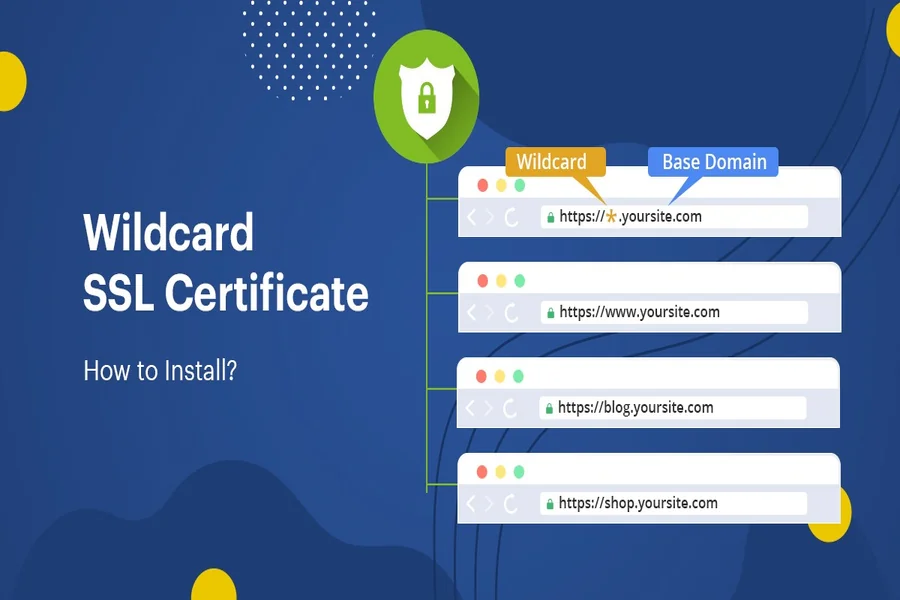
A Wildcard SSL certificate is emerging as a necessary security device to companies that are operating numerous subdomains under a single dominant domain. It is offering an adequate encryption to the principle site as well as extending it to all associated sub domains that fall under the similar domain grouping. The majority of companies have blogs, store portals, and login panels running on different sub domains, and every new subdomain is making the need to have a secure solution more and more urgent. It is one of the issues that a Wildcard SSL is addressing by being able to provide full coverage under one certificate and it is allowing web master more freedom and control. 

The certificate is functioning based on a single asterisk which symbolizes all the possible sub domains and this is a rule that is permitting boundless growth without repetitive certificate acquirement. Online threats are evolving fast and thus companies are in need of a solution that is flexible and scalable and this is where Wildcard SSL is fulfilling that requirement without much efficiency.

Obtaining a Certificate to Sign-in the subdomains.

A Wildcard SSL is whereby the main domain and all of the subdomains attached to it are secured with one certificate. This implies that a company can operate shop.example.com, blog.example.com, mail.example.com, and support.example.com without the need to have several sets of the SSL certificates installed. The certificate is automatically recognizing any subdomain that conforms to the pattern it is allowed, and it is implementing strong encryption immediately the subdomain is free to use. This is making the risk less and enhancing uniformity throughout the entire domain structure. 

A lot of websites are expanding at a rapid rate and teams are introducing new subdomains of new services. This growth is being supported in a Wildcard SSL without additional validation procedures and technical setbacks. This is assisting developers, marketers and administrators to concentrate on operations, as opposed to managing certificates. In cases where a single certificate is shared among all subdomains, it is also less tricky to enforce policies since all elements of the site are not adhering to different security standards.

Curtailing the Cost and streamlining of the Budget Planning.

Companies are constantly trying to find out how to decrease the security costs without sacrificing the security. This is being realized through a Wildcard SSL certificate which is replacing numerous individual certificates which would have to be purchased and renewed individually. Traditional certificates may be costly and difficult to monitor when the companies expand and they have numerous additional subdomains. Through a Wildcard test, the price will be predictable since a single certificate will be used to cover it all under the domain. The add subdomain process is free, and the process of re-validating all new sections of the site is not needed. 

This will ensure that the teams are able to plan the annual budgets, keep the renewal schedules true, and prevent imminent costs. It is also decreasing the paperwork that is associated with keeping track of numerous individual certificates. This operational and financial ease is causing Wildcard SSL to become popular with growing companies.

Final Thoughts

The broad security, reduced cost, enhanced trust, and simplified management is being provided by a ssl certificate wildcard. It is also an effective alternative to firms which have numerous subdomains and require an efficient and trustworthy security tool. In case your web site is growing, Wildcard SSL will be able to grow with you and secure your users with a sense of security.

Benefits of Pilates Chapel Hill for Improved Posture and Balance

Pilates Chapel Hill

Pilates is a versatile exercise approach focused on improving core strength, flexibility, and overall body awareness. Originally developed by Joseph Pilates in the early 20th century, its core principles center around precision, control, and concentration, making it an excellent option for boosting posture and balance. In Chapel Hill, Pilates has gained remarkable popularity due to its ability to meet the wellness needs of its residents, who are eager for holistic fitness solutions.

A study has shown that Pilates effectively enhances posture by engaging and strengthening core muscles, which are essential for maintaining an upright alignment in daily activities. This study on Pilates and posture supports the claim that a dedicated Pilates regimen can lead to better postural habits. The growing interest in such benefits is reflected in the numerous Pilates studios and classes available throughout Chapel Hill, indicating a thriving community of practitioners passionate about improving their physical well-being.

Key Benefits of Practicing Pilates

Pilates offers a host of benefits, particularly in improving posture and balance. Here are some of the key advantages:

  • Enhanced Core Strength:
    • By continuously engaging the core, Pilates helps to stabilize the spine and improve body alignment, contributing to overall physical wellness.
  • Increased Flexibility:
    • Regular practice stretches muscles and improves joint mobility, contributing to better posture and less discomfort during movement.
  • Improved Balance:
    • Pilates exercises naturally enhance coordination and balance, reducing the risk of falls and injuries.
  • Stress Reduction:
    • The focus on breathing and mindfulness promotes relaxation, reducing stress and tension in the body.

Engaging in Pilates regularly can lead to both physical and mental wellness, making it a comprehensive fitness choice for any age group. These benefits collectively contribute to not just specific physical improvements but a holistic enhancement of one’s overall health and quality of life. As more residents in Chapel Hill embrace Pilates, they find themselves enjoying these rewards, underscoring its significance in the community’s fitness landscape.

Understanding the Importance of Good Posture

Good posture is more than just standing straight. It’s about maintaining the correct alignment of your body when sitting, standing, and moving. Proper posture is crucial for your health because it:

  • Reduces back and neck pain:
    • By aligning your spine correctly, you minimize unnecessary strain on muscles and ligaments.
  • Boosts energy levels:
    • Good posture can increase blood flow and oxygen to your brain, making you feel more alert.
  • Enhances breathing:
    • Proper alignment allows your diaphragm to function optimally, improving breathing and lung capacity.
  • Prevents injury:
    • Maintaining the right posture decreases the likelihood of developing overuse injuries.

How Pilates Chapel Hill Improves Posture and Balance

Pilates is especially effective at enhancing posture and balance. It focuses on building core strength, increasing body awareness, and improving flexibility, all essential elements for good posture. Pilates in Chapel Hill specifically addresses these issues by targeting the deep core muscles, offering a strong foundation for overall stability. It emphasizes stretching and alignment, which can relieve tension and improve movement efficiency, while requiring mindful movement, which enhances balance and helps develop better postural habits.

Popular exercises in Pilates that target posture and balance improvement include:

1. Pelvic Curl:

  • This exercise helps strengthen the lower back and abdominal muscles.

2. Roll Up:

  • A movement designed to improve spinal articulation and flexibility.

3. Single-Leg Circle:

  • This strengthens the hips and stabilizes the pelvis.

4. Spine Stretch:

  • Ideal for elongating the spine and increasing overall flexibility.

By practicing Pilates regularly in Chapel Hill, participants can significantly enhance their posture and balance, leading to better overall health and well-being. This makes pilates chapel hill an excellent choice for anyone looking to improve their physical health in a supportive community setting.

Comparison: Pilates Chapel Hill vs. Pilates San Diego

When it comes to finding the right Pilates studio, Chapel Hill and San Diego offer unique experiences with their distinct community vibes and offerings. Here’s a closer look at how these two areas compare:

Community and Culture

  • Chapel Hill:
    • Known for its college town atmosphere, Pilates here is embraced by students, faculty, and locals. The community is supportive, and studios are often smaller and more intimate, creating a tight-knit environment.
  • San Diego:
    • With its beach city allure, San Diego’s Pilates scene is expansive and varied. You’re likely to find larger studios offering a wide range of classes to cater to diverse fitness levels, fueled by the city’s fitness-forward culture.

Facilities and Offerings

  • Chapel Hill:
    • Studios often focus on a personalized approach with smaller class sizes.
    • Emphasis on community connection and personal growth.
    • Offers classes tailored to improving posture and balance through Pilates.
  • San Diego:
    • Bigger facilities with more equipment variety.
    • Offers a wider array of specialty classes like outdoor Pilates.
    • The presence of many certified and experienced instructors catering to a larger market.

Regional Preferences

  • Chapel Hill:
    • Local studios tend to incorporate holistic and mindful practices into their Pilates sessions, aligning with academic life and community values.
  • San Diego:
    • Classes often capitalize on the city’s sunny weather, integrating outdoor sessions and incorporating more dynamic Pilates styles.

Finding the Right Pilates Near You

Finding a great Pilates studio doesn’t have to be daunting. Here are some practical tips to help you find quality Pilates classes near you:

1. Check Online Reviews:

  • Look at platforms like Yelp or Google Reviews to gain insight into others’ experiences. This will help you gauge the quality of the studio and its instructors.

2. Instructor Credentials:

  • Ensure the instructors are certified from reputable organizations. This adds to their credibility and assures you of quality training.

3. Visit Directories:

  • Use resources like Mindbody to locate nearby Pilates studios. It’s a great way to compare classes, prices, and schedules.

4. Ask for Recommendations:

  • Reach out to friends or community groups for personal recommendations. Word-of-mouth can often lead to discovering hidden gems.

5. Trial Classes:

  • Chapel Hill and Durham residents can begin their search with local studios like FlowCorps, Carolina Pilates & Yoga, or Balance Yoga & Wellness, which offer complimentary first classes, certified instructors, and online booking systems that display real-time schedule availability and class descriptions.
  • Most studios offer trial classes or beginner packages. This allows you to experience the class dynamics and studio vibe before committing.

Additionally, consider factors like class size, instructor style, and the specific Pilates approach that resonates with you. With thorough research and exploration, you’re sure to find a Pilates studio that aligns with your goals and preferences, whether you’re based in Chapel Hill, San Diego, or elsewhere.

Exploring Pilates in Nearby Areas: Durham NC and Raleigh NC

While Chapel Hill boasts a vibrant Pilates community, exploring nearby areas like Durham and Raleigh can offer additional opportunities and experiences in Pilates.

Pilates in Durham, NC

  • Local Studios and Offerings:
    • Durham features several well-regarded Pilates studios, offering a range of classes from beginner to advanced levels. Studios often provide personalized sessions that can help you focus on specific areas like posture and balance.
  • Community Events:
    • Durham hosts Pilates events and workshops that focus on improving technique and connecting with the local fitness community.
  • Unique Offerings:
    • Some studios in Durham emphasize fusion classes — combining Pilates with elements of yoga and other fitness disciplines.

Pilates in Raleigh, NC

  • Studio Highlights:
    • Raleigh is home to “Flow Corps Raleigh,” a studio known for its comprehensive Pilates programs designed to improve posture and balance. They offer classes tailored to various skill levels.
  • Expanding Options:
    • As Raleigh grows, so do its fitness offerings. The city supports a thriving community that is enthusiastic about fitness, ensuring a robust variety of classes and workshops that are accessible to Pilates enthusiasts.
  • Events and Workshops:
    • Raleigh frequently holds Pilates events, allowing practitioners to expand their skills and enjoy the social aspects of the community.

Exploring these areas not only broadens your Pilates experience but also introduces you to diverse instructional styles and classes. Whether you are a new or seasoned practitioner, you’ll find valuable opportunities to enhance your practice in these nearby locales.

Everest Base Camp and Manaslu Circuit Trek Difficulty Compared: What Trekkers Should Know

Everest Base Camp

Planning a Himalayan trekking adventure often comes down to choosing between two legendary routes: the classic path to Everest Base Camp, and the remote, rugged circuit around the world’s eighth-highest mountain. While both trails offer spectacular scenery and unforgettable cultural immersion, their difficulty levels differ significantly. Understanding these differences isn’t just helpful — it’s essential for choosing a trek that matches your fitness level, trekking experience, and expectations for altitude, remoteness, and terrain.

This guide compares the difficulty profiles of both routes across key factors such as acclimatization needs, technical demands, daily hiking hours, logistics, weather, and safety considerations. You’ll learn how each trek challenges your body differently, how to prepare, and what type of trekker is best suited for each journey. By the end, you’ll be equipped to make an informed decision between a high-altitude, lodge-based journey in the Khumbu and the wilder, more isolated adventure of the Manaslu Circuit Trek.

Altitude, Acclimatization & Overall Physical Challenge

Altitude plays a defining role in Himalayan trekking difficulty, and both routes reach significant heights. However, the way altitude affects your body differs based on acclimatization opportunities and the steepness of elevation gain.

The Everest Base Camp difficulty profile is shaped by a fast rise into thin air. You fly directly to Lukla (2,860 m), meaning your trek begins already above many acclimatization thresholds. Over the next several days, the trail steadily climbs through Namche Bazaar (3,440 m), Tengboche (3,860 m), and eventually ascends to Gorak Shep (5,164 m) and Kala Patthar (5,545 m).

  • The rapid ascent makes acclimatization breaks essential. 
  • You’ll typically follow an itinerary of 12–14 days, with two full rest days in Namche and Dingboche. 
  • AMS (Acute Mountain Sickness) is a genuine concern due to long daily gains above 3,000 m. 

In contrast, Manaslu Circuit difficulty emerges from the trek’s combination of altitude and rougher terrain. Although you start low at Soti Khola (710 m), you gain altitude gradually through lush valleys, which gives your body time to adapt.

Yet the highest point — Larkya La Pass at 5,160 m — is a long, cold, and exposed crossing:

  • The approach to the pass includes 8–10 hour days at high elevation. 
  • You may sleep above 4,000 m in Dharmasala, where the lack of oxygen is noticeable. 
  • Weather at the pass is unpredictable, adding an extra challenge that isn’t as prominent on EBC. 

Here’s a quick altitude comparison:

  • EBC highest altitude: Kala Patthar (5,545 m) 
  • Manaslu highest altitude: Larkya La Pass (5,160 m) 

Despite EBC reaching higher elevation, many trekkers find the pass day on Manaslu more physically taxing because of its length and remoteness.

Between these two treks, altitude difficulty is shaped not only by numbers but by acclimatization patterns:

  • EBC: Higher altitude overall, but more structured acclimatization days and better facilities for recovery. 
  • Manaslu: Lower summit altitude but tougher pass crossing, harsher weather exposure, and fewer resources at elevation. 

If you’re sensitive to altitude or concerned about acclimatization, EBC may feel more manageable thanks to its predictable ascent and medical resources along the trail.

Terrain, Technical Difficulty & Daily Walking Hours

Everest Base Camp

While both treks are categorized as non-technical, the terrain varies dramatically. The Khumbu is well established, with wide trails, clear signage, and steady foot traffic. Manaslu, on the other hand, is rugged and remote — more wild, less predictable, and physically demanding day-to-day.

Before diving deeper into terrain contrasts, consider these general fitness implications:

  • You should be able to hike 6–8 hours per day for EBC, or 7–9 hours on Manaslu. 
  • Your strength and endurance matter more on Manaslu due to longer stretches without facilities. 

The Everest Base Camp route is well-worn, with wide ascents, stone staircases, suspension bridges, and teahouses spaced closely across villages. However, that does not make it easy:

  • Sections like the climb from Namche to Tengboche test your leg strength. 
  • The trail becomes rockier and colder above Lobuche. 
  • Traffic from porters, mules, and trekkers can slow your pace. 

Yet compared to Manaslu, EBC offers predictable walking patterns and fewer surprises.

Manaslu is a very different experience.
You’ll encounter:

  • Narrow cliffside trails carved into steep hillsides 
  • Slippery paths during the early forested days 
  • Landslide zones 
  • Rockfall-prone sections 
  • A glacier approach to Larkya La that demands early starts and steady focus 
  • Potential snow underfoot during the shoulder seasons 

While still non-technical, this trek requires better footwork and balance. Trekkers often say Manaslu feels like a blend of Annapurna Circuit and a remote expedition route.

Here are some terrain-specific difficulty comparisons:

Everest Base Camp:

  • Better-maintained trails 
  • More stable walking surfaces 
  • Even pacing due to closely spaced settlements 
  • Predictable daily walking hours 

Manaslu Circuit:

  • Steeper ascents and descents 
  • Less-developed trails with variable conditions 
  • Longer, harder days before and after the pass 
  • More river crossings, exposed paths, and rugged topography 

If you enjoy raw Himalayan trekking with a wilderness feel, Manaslu will be deeply rewarding — but undeniably harder on your legs.

Remoteness, Logistics, Permits & Trekking Experience Required

Difficulty isn’t just about how hard you breathe or how steep the trail feels. Practical factors like remoteness, permit rules, and support availability also shape whether a trek feels challenging or comfortable.

Before comparing these factors, it’s worth noting that both regions have strict regulations — but for very different reasons.

Let’s begin with logistical simplicity.

The Everest Base Camp difficulty profile is lower when you consider accessibility and infrastructure:

  • Daily flights connect Kathmandu to Lukla (weather permitting). 
  • Villages appear every 1–2 hours of walking. 
  • You’ll find extensive teahouse networks offering hot meals, charging, Wi-Fi, bakeries, and even gear shops. 
  • Medical facilities in places like Pheriche make altitude issues easier to manage. 

Crowds, however, add a different challenge:

  • Trails can become congested in peak season. 
  • Accommodation may book out unless reserved early. 
  • Passing trains of yaks and mules requires patience and caution. 

Despite these inconveniences, EBC is logistically easier for most trekkers.

Manaslu, on the other hand, demands more planning and resilience.

Permits alone reveal this difference:

  • You need a Restricted Area Permit (RAP), Manaslu Conservation Area Permit (MCAP), and Annapurna Conservation Area Permit (ACAP). 
  • A minimum of two trekkers with a licensed guide is mandatory. 
  • TIMS is not used here. 

Everest Base Camp

This region’s remoteness adds significantly to the Manaslu Circuit difficulty:

  • There is no road access after Machha Khola, meaning evacuation and resupply are more complex. 
  • Teahouses are simpler, often without heated dining rooms. 
  • Power sources are limited, especially near the pass. 
  • Medical help may be hours or days away. 

Some facilities have improved in recent years, but Manaslu remains one of Nepal’s more isolated mainstream treks.

Here are the key comparative challenges for logistics and remoteness:

  • Accommodation: 
    • EBC: Comfortable lodges with consistent menus 
    • Manaslu: Basic teahouses, simple food, limited heating 
  • Communication: 
    • EBC: 4G or Wi-Fi in most villages 
    • Manaslu: Patchy network; signal disappears for days 
  • Evacuation ease: 
    • EBC: Helicopters readily available 
    • Manaslu: More complicated and weather-dependent 
  • Required trekking experience: 
    • EBC: Suitable for strong first-time trekkers 
    • Manaslu: Better for trekkers with prior multi-day high-altitude experience 
  • Best seasons: 
    • Autumn and spring for both, but Manaslu’s microclimates can make early winter crossings difficult. 

These logistical considerations often determine how “hard” a trek feels in real life — not only the physical trail itself.

Conclusion: Which Trek Is Right for You?

Choosing between Everest Base Camp and the Manaslu Circuit Trek ultimately depends on your comfort with altitude, remoteness, and daily endurance. If you prefer well-established trails, reliable teahouses, clearer acclimatization routines, and an iconic Himalayan objective, EBC is the easier and more predictable option. If you want a more challenging adventure with wilder terrain, longer days, fewer crowds, and a sense of genuine isolation, Manaslu offers the deeper expedition feel — but it demands better fitness and prior trekking experience.

Both treks deliver unforgettable Himalayan trekking experiences. One tests your altitude adaptation; the other challenges your endurance and resilience. With realistic preparation and the right expectations, either trail can become the highlight of your time in Nepal.

How to Improve Your Heating System to be warmer in winter

warmer in winter

Maintaining your house warm is supposed to be easy- but to most house owners it is not. Once the weather changes and the chill sets in, even the tiniest issue in your heating system can suddenly become a big pain: uneven heating, increasing utility costs, or that nagging sense that your furnace is doing its best yet never quite keeping pace. And when this rings a bell you are not alone. Most houses are using old or under-sized equipment without knowing what comfort and efficiency they are missing.

It is worth considering whether your heating equipment is the right fit in your space before you settle into a cold house as your new winter home. An adequate furnace installation is capable of drastically lowering the temperature, decreasing energy usage and eliminating the habit of having to keep adjusting the thermostat. But how do you know when what you have is keeping you down?

A frequent cycling is one of the indicators–your system will switch on and off even when the weather is not that cold out there. The other one is uneven heating whereby some rooms remain cold even with your best efforts. These problems tend to indicate an old or inappropriately sized furnace. In most situations, it is more comfortable to upgrade your system than to fix a unit that is already out of its optimal performance. The question is therefore, how much are you losing by not replacing your equipment that is no longer serving your purpose?

The reason why old heating systems fail to keep up

The majority of homeowners are not aware of the impact of internal condition of a heating system on performance. The accumulation of dirt, blocked burners and the exhaustion of parts all cause your system to labor more and longer to generate the same amount of heat. In the long run, this strain results in increased utility bills and increased service call.

The other issue is the outdated technology. Older furnaces are generally less efficient in fuel, and this implies that a large percentage of the heat produced never makes it to your living area. When you realize that your heating bills are increasing year after year, despite a lack of weather pattern changes, then maybe it is your system telling you it is old. The good news? Newer models are smarter to use energy and may even take shorter periods to warm your house with little fuel.

However, efficiency ratings are not the only thing to consider when selecting the appropriate system. The insulation of your home, the condition of your ducts and the design of your home will all contribute to the amount of heat you perceive. Professional evaluation would assist in revealing the latent problems and provide you with a clear understanding of what upgrades would provide the best ROI.

Intelligent Upgrades that Count

Most of the homeowners are amazed to know that modest upgrades can generate significant comfort benefits. As an illustration, by closing air gaps around doors and windows, your house will seem warmer than it was before you can even upgrade your heating system. The same can be said of enhancing attic insulation or cleaning of air ducts that have been neglected – activities that increase system efficiency nearly instantly.

However, at some point, all heating systems become so old that they are not worth fixing anymore. That is when the installation of a new furnace is not only reasonable, but also economically advantageous. Newer systems are more energy efficient, less noisy, and provide more uniform heating for your entire home. You can enjoy a dependable, predictable supply of warmth instead of constantly troubleshooting issues. And by comparing electric supplier rates Ohio, you can further optimize your home’s energy costs while maximizing the benefits of your upgraded system.

Alternatives: Heat Pumps: Worth the Hype?

Discussing heating upgrades, one cannot but mention the increasing popularity of the modern heat pumps. They not only warm your house but they also cool it so they are one of the most versatile HVAC solutions in the market today. A heat pump can provide remarkable efficiency throughout the year in areas with mild weather, such as most of the Santa Clara County.

Naturally, as with any system of HVAC, the installation should be performed properly. An improperly sized or improperly located heat pump can never work optimally. This is the reason why professional heat pump installation in Santa Clara services are required in case you want to be sure of good performance and save as much energy as possible.

The other significant benefit is longevity. The heat pumps usually have a prolonged life when well maintained, since they do not use combustion to produce heat. They instead conduct heat, which is a more efficient process. A heat pump can be a serious consideration in case you want to upgrade your home with not only a comfortable experience but also a reduced utility bill.

The Question of the right system to use in your home

The choice of the most appropriate heating system is more individual than it appears to most individuals. It will rely on the insulation levels of your house, the size of your house, climate, and even your lifestyle. Consider these questions before making any decisions:

  • Do you require a system that heats and cools?
  • Do you care about energy efficiency or is long-term durability more important?
  • Does your existing ductwork accommodate the kind of system you would like to install?
  • Do you intend to remain in your home to enjoy efficiency savings?

A professional assessment will help avoid expensive errors, such as buying a furnace that is either too strong (or too weak) to fit in your room. Under professional advice, you will be able to select a system that will provide you with the same level of comfort without the need to use a lot of energy.

For those seeking professional assistance, consider reaching out to Appalachian Refrigeration Heating & Cooling of Avawam. Their expertise can ensure your system is running efficiently, providing optimal warmth throughout the colder months. With a focus on both residential and commercial systems, they offer tailored solutions that address specific heating needs. Whether it’s routine maintenance or a complete system overhaul, their skilled technicians are equipped to handle it all. By investing in professional services, you can enjoy a cozy and comfortable home environment, free from the stress of unexpected breakdowns or inefficiencies.

The Right Equipment Makes the Difference

Home is not something that you struggle to have every winter. Your existing system is old, it is undersized or just can no longer meet your demands, upgrading your heating equipment can change your comfort at home and save you money every month. Modern heating technology has provided a solution to all homes and budgets with its traditional furnaces and high-efficiency heat pumps.

When you are willing to experience more comfort, fewer repairs and less heating expenses, now is the right moment to consider your opportunities. It is easy to keep warm with the proper installation and a system designed to suit your home.

To ensure your heating system operates efficiently, consider scheduling regular maintenance checks. Professional services like Valley Air, LLC of Mt. Crawford can provide expert inspections and tune-ups, ensuring your system runs smoothly throughout the winter months. By addressing potential issues early, you can prevent costly repairs and maintain a comfortable home environment. Additionally, upgrading to a programmable thermostat can optimize your heating schedule, reducing energy consumption and enhancing overall warmth. Remember, a well-maintained system not only keeps you warm but also extends the lifespan of your equipment, providing peace of mind during the coldest days of the year.