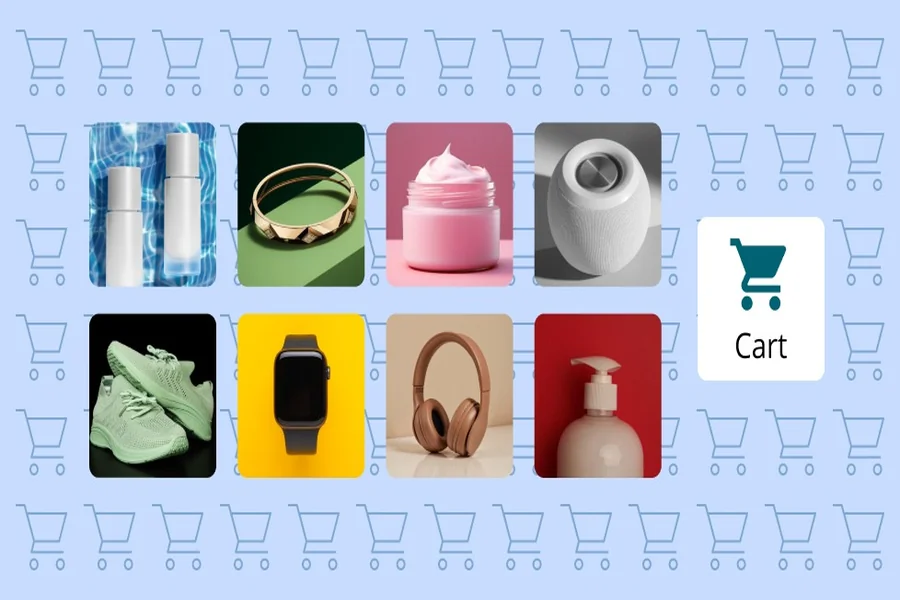
Top Trending Dropshipping Products for Hispanic Entrepreneurs

Dropshipping Products

One of the things I love about starting a business as a Hispanic entrepreneur is that there are many easier ways to get started, such as dropshipping, for example. 

Dropshipping is an e-commerce business model where you only have to set up a website, source great products from suppliers on it, and market them. Once customers purchase products, it’s the supplier’s job to get them to the customer. 

And the best part, you can handle it all with a website through Shopify, and a fast and reliable internet connection. I’d recommend Cox for its speed and reliability, and if you’re looking to get started, you can reach out to the Cox servicio al cliente en Español.

That being said, it all depends on choosing and selling the right products, and this is where I come in to help you. 

In this article, I will share the top trending dropshipping products you might want to consider, in case you decide to start a dropshipping business. 

Let’s ship away!

Apparel and Footwear

I reckon everybody needs clothes and shoes, don’t they? I mean, the current 1.8 trillion-dollar market makes that pretty clear. Plus, it’s only going to grow more, with projections reaching up to $2 trillion within the next 3 years. 

You can branch out into different categories here, like men’s, women’s, and children’s clothing, or even accessories like handbags, for example. A lot of major suppliers, such as Trendsi, My Online Fashion Store, and AliExpress, to name a few, offer clothing items at decent rates. 

It would help you to add a personalized touch using customization here, especially with T-shirts. People love customized T-shirts, and with a lot of print-on-demand companies to handle this for you, tapping into this niche is no rocket science. I’ve thrown in some products you might want to consider starting with:

Short-Sleeved T-shirts

Sweatshirts

Single Piece Swimsuits

Vintage T-Shirts

Pajamas

Tank Tops

Crop Tops

Yoga Pants

Beanies

Flannel Shirts

Single Piece Swimsuits

Loungewear

Sweatsuits

Kimonos with Floral-Print

Fast-Dry Running Shorts

Wireless Bras

Cargo Shorts

Golfing Polos

Swimming Shorts

Sundresses

Leggings

Clogs

Loafers

Sandals

Water Shoes


Beauty and Personal Care

I don’t know about you, but I can name at least 50 people I know who bring a whole army of beauty and personal care products with them anywhere they go. That might help explain why this niche is expected to be worth over 758 billion dollars by this year. 

The options you can focus on here are many, but natural skin care and hair care products are particularly booming. In fact, the natural skin care product market crossed $9.3 billion back in 2023. Other than these two, you might also want to consider any of the product options below to start: 

Pimple Patches with Hydrocolloid

Face Masks with Hydrogel

Makeup Removing Facial Wipes

Animal Cruelty-Free Mascara

Sunscreen

Skin Care Oils

Pencil Eyeliners

Face Moisturizer Lotion

Eye Hydrating Gels

Body wash

Press-on Manicure Nail Kits

Loofah sponges

Travelling Bottles

Supplements and Vitamins

Foundation Brush

Hair Curlers and Nets

Facial Towels and Wipes

Dermaplaning Tools

Hair Growth Shampoos, Oils, and Supplements

Snail Mucin products

Satin Bonnets

Face Rollers

Reusable Silicone Masks


Baby Care Products

We’d do anything for our Niños, wouldn’t we? Why not bring the same energy for babies everywhere? 

Baby care products are a rapidly growing market to become a part of. It’s worth $250 billion right now and is expected to grow to more than $419 billion in the next 7 years.

There are two very important aspects you’ll have to brand yourself with here: innovation and safety.

People want more and more innovative and easier solutions, and are also willing to spend more when they find one. Naturally, they also want a high level of safety and credibility when it comes to these products, I mean, wouldn’t we all? 

There are many options to target here, and I’ve mentioned some of the most potentially rewarding options below:

Organic Clothing

Teething Tools

Hypoallergenic Baby Diaper Wipes

Water-Based Baby Wipes

Diapers

Stroller Fans

Touch-Free Forehead Thermometers

Sponge Bottle Brushes

Chewing Toys

Breast Milk Storing Bags

White Noise Machinery

Healing Ointments

Booster Seats

Baby Bottles

Nasal Aspirators

Bottle Warmers

Baby Monitor


Pet Products

Yes, there’s also a booming market for all our furry friends. 

Just last year, the pet product market saw over $150 billion in sales, and I’m betting that it might be higher this year. You might also find this niche one of the most rewarding ones since pet product customers are more likely to be one of those, rather than long-term ones.

There are many product options to focus on in the category, and when starting out, a strategy you might want to consider is product bundling. You can bundle dog treats with a collar or even pet clothing products to build your rep early on. 

Below is a list of all the products you can target this niche with:

Rope Leashes

No Leak Stool Bags

Urine Pads

Cat litter

Rawhide Kebobs

Stain Removers

Pet Supplements

Dog Treats

Odor Removers

Dog Crates

Dog Toys

Fur Removers

Harnesses

Slow-Feeding Dog Bowls

Probiotic chews

Nose Work Toys

Single-Ingredient Freeze-Dried Treats

Pill Wraps

Dental Care Treats

Hypoallergenic Wipes

Water Bottles


Dropshipping – A Barrier-Free Business Model for Hispanic Entrepreneurs

Dropshipping can eliminate the normal barriers to entry that us Hispanic entrepreneurs face with traditional businesses. The lower startup costs and higher level of flexibility make it a great option for us.

With the product ideas shared above, you can start your dropshipping journey in some of the most rewarding industries. 
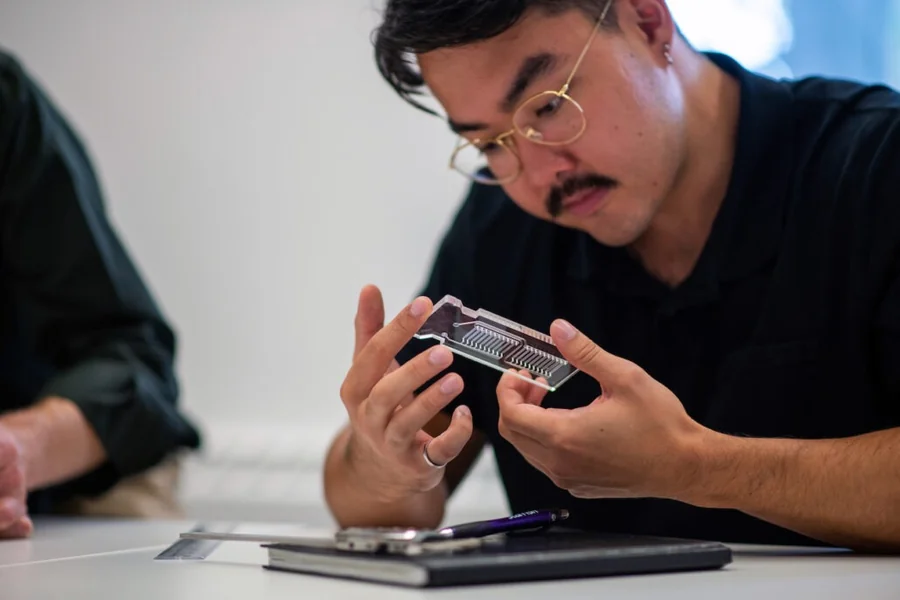
Agile Manufacturing Practices That Help Medical Device Teams Scale Faster 

Agile Manufacturing

Developing medical devices isn’t a linear path. Requirements shift, prototypes fail, regulations evolve and stakeholders demand faster delivery. Traditional, rigid manufacturing approaches can slow you down and strain budgets. This is where agile manufacturing makes a difference – bringing flexibility, faster iterations and smarter scaling to your product journey. 

At Mina Product Development, we help medical device teams adopt agile practices that reduce delays, improve collaboration and accelerate time-to-market. By combining advanced manufacturing methods with adaptable workflows, you can respond to changes quickly without sacrificing quality or compliance. 

What Agile Manufacturing Really Means for Medical Devices 

Agile manufacturing isn’t just a buzzword borrowed from software development. It’s a structured approach that emphasizes: 

  • Iterative development: Breaking large projects into smaller, manageable cycles for faster testing and refinement. 
  • Cross-functional collaboration: Designers, engineers and manufacturers working together early to catch issues before they cause delays. 
  • Responsiveness to change: Adjusting to new regulations, user feedback or material challenges without derailing production schedules. 

This mindset allows you to stay competitive in an industry where innovation must balance strict safety and regulatory standards. 

Why Medical Device Teams Struggle to Scale 

Scaling a medical device ตรวจ hpv from concept to production often hits roadblocks: 

  • Long prototyping cycles: Multiple design revisions and test failures add months to timelines. 
  • Regulatory complexity: Every change needs traceability and documentation to pass audits. 
  • Supply chain variability: Limited suppliers for specialized materials or components cause bottlenecks. 
  • Technology silos: Poor data flow between design and manufacturing leads to rework and errors. 

Agile practices directly target these issues, making it possible to pivot without losing progress or compliance. 

Key Agile Practices That Speed Up Scaling 

Early and Continuous Prototyping 

Instead of designing in isolation and handing off to manufacturing late, agile teams create prototypes as soon as possible. These prototypes don’t have to be perfect – they’re learning tools that help you validate designs and manufacturing methods early. 

  • Rapid prototyping with 3D printing and CNC machining 
  • Functional mock-ups to test ergonomics and usability 
  • Pilot runs to validate tooling and assembly processes 

This approach reduces costly surprises later, when changes are harder to implement. 

Cross-Functional Teams 

Traditional manufacturing keeps design, engineering and quality teams in separate silos. Agile manufacturing brings them together from the start. This collaboration helps you: 

  • Identify manufacturability issues early 
  • Align on regulatory documentation requirements 
  • Balance design features with cost and production feasibility 

For medical devices, involving regulatory and clinical experts early ensures design changes won’t compromise compliance. 

Modular and Flexible Production 

Agile manufacturing favors modular designs and adaptable production cells. This makes scaling easier: 

  • Design components that can be independently tested or updated without affecting the entire device. 
  • Use flexible tooling and fixturing that can adapt to design revisions. 
  • Implement manufacturing cells that can handle multiple product variants without complete reconfiguration. 

This flexibility is crucial when responding to new market demands or evolving standards. 

Digital Thread and Real-Time Data Sharing 

Modern agile manufacturing relies on a digital thread that links every stage of product development – from CAD models to machining instructions and quality data. This connected flow of information helps you: 

  • Catch errors early through real-time feedback 
  • Ensure all stakeholders work from the latest design version 
  • Maintain traceability automatically for audits and submissions 

With live data integration, teams can react to test results or inspection reports immediately, speeding up decision-making. 

Short Iterative Cycles with Feedback Loops 

Rather than committing to long development phases, agile manufacturing uses sprints or short cycles to test, gather feedback and refine. This is particularly useful for: 

  • Usability testing with clinicians or patients 
  • Verifying biocompatibility and sterilization methods 
  • Adjusting designs to improve assembly or reduce costs 

Each cycle builds upon the last, reducing the risk of large-scale failures late in the process. 

Regulatory Compliance in Agile Environments 

One common misconception is that agile approaches conflict with strict medical device regulations. In reality, agile can enhance compliance when done correctly: 

  • Document every iteration: Agile tools track changes and decisions, creating a clear design history file. 
  • Integrated risk management: Frequent reviews make it easier to assess and mitigate risks continuously. 
  • Faster verification and validation: Smaller, more frequent tests simplify evidence gathering for regulatory submissions. 

By embedding compliance into each agile cycle, you avoid last-minute documentation scrambles that delay approvals. 

Benefits of Agile Manufacturing for Scaling 

Medical device teams that adopt agile practices see tangible results: 

  • Reduced lead times: Faster prototyping and early issue detection cut development cycles significantly. 
  • Lower costs: Avoiding late-stage redesigns reduces waste and resource drain. 
  • Improved quality: Continuous testing and stakeholder input lead to better-designed products. 
  • Easier scaling: Modular designs and adaptable manufacturing processes make moving from pilot runs to full production smoother. 

These advantages are especially impactful for startups and growing OEMs that need to enter the market quickly while maintaining high standards of safety and performance. 

Real-World Example: Scaling a Handheld Diagnostic Device 

Consider a team developing a handheld diagnostic tool. Using traditional methods, they might complete the design fully, then send it to manufacturing – only to discover ergonomic flaws and assembly challenges. Fixing these late-stage issues could delay launch by months. 

With agile manufacturing: 

  • Early 3D-printed prototypes allow clinicians to test ergonomics immediately. 
  • CNC-machined components verify fit and tolerance before expensive tooling. 
  • Digital thread captures feedback from usability testing and integrates changes directly into the design. 
  • Modular design choices let the team refine electronics and housing independently. 

As a result, they reach production readiness faster, with fewer rounds of tooling adjustments and less risk of regulatory delays. 

Building an Agile Manufacturing Culture 

Adopting agile practices isn’t just about new tools – it’s a mindset shift. To make it work: 

  • Encourage open communication and cross-functional collaboration. 
  • Invest in digital platforms for version control and data sharing. 
  • Train teams on iterative development and lean principles. 
  • Partner with manufacturers who understand and support agile workflows. 

An agile culture fosters continuous improvement and flexibility, allowing you to adapt to new information or changing requirements without losing momentum. 

Agile manufacturing isn’t about moving fast and breaking things – it’s about moving fast without breaking anything critical. By embracing these practices, medical device teams can scale confidently, stay compliant and deliver innovative solutions to the market ahead of competitors. 


Designing Unique Business Logos: How Everyday Calculations Shape Creative Branding

Business Logos

Logo creation is color, shape, and creativity, we all presume. But there’s a less glamorous yet surprisingly vital participant in branding: day-to-day math. The golden ratio, symmetry, and proportions  math creeps into design that dictate whether a company logo appears professional or not. Whether you’re sketching concepts onto paper or via a logo maker app, math operates behind the scenes to influence the perception of your brand.

Proportion and Balance in Logo Design

Think about a logo you’ve seen that just felt “off.” Chances are, it wasn’t balanced properly. Calculations of width, spacing, and alignment directly affect visual harmony. Designers often apply ratios sometimes without realizing it to achieve a sense of stability. A perfectly measured curve or evenly distributed space between letters can create trust in the viewer’s mind. As businesses utilize a logo maker so, math such as the above is set to streamline the task to achieve a professional outcome without needing special designing skills.

Day-to-Day Math and Shape Recognition

Even outside of design teams, our brains like patterns. Everyday maths such as repetition and symmetry dictate how quickly we identify and recall a shape. Companies thus like logos that are geometrically simple instead of dirty, complicated shapes. Think about using circles to denote unity, triangles to denote strength, or squares to denote stability. They’re all made up of simple maths, but they can say so much about a company’s personality. Dealt with sensitively, they can take a simple design and turn it into a branded company icon.

The Psychology of Ratios in Branding

Ratios are not merely mathematical propertiesthere are psychological connotations. A logo designed to the golden ratio, for instance, appears more at ease and natural. This invisible maths determines how long one gazes at a logo and whether or not they will remember it afterward. Too squashed or stretched a logo appears to be in the incorrect place, though its viewer won’t know why. By trusting the precision of a quality graphic logo maker, businesses can turn such abstract calculations in their favor.

Judgments Daily in Type and Color

Type and color also rely on daily calculations, although perhaps not the ones we consider.

Color theory relies on contrast to achieve harmony or elicit emotion. Type relies on line spacing, kerning, and weight distribution—tiny calculations that destroy or make readability and resonance. These choices are simple to underestimate yet can possibly make or break a company’s image. A logo creator can possibly remove mathematics from such choices so that companies can invest more time in figuring out what they would wish their brand to convey and not squander it on lopsided content. 

Why Math Matters in a Digital Age

In a world where digital is primary, logos are everywhere social media, websites, and even app icons. Resize without distorting has to be done with exact math. A billboard logo has to turn into a readable and clean teeny profile picture. Math allows everyday life to be feasible so that it can be scaled without losing its integrity on different platforms. With an intelligent logo maker, all this is achieved effortlessly, without the loss of time and energy. 

Conclusion

 The Hidden Math Behind Iconic Logos Math behind may not even be the priority in designing a company logo, but it’s the power behind all the good design magic that takes place behind the scenes. 

From scaling to color harmony, from scalability to proportions, math and art become a collaborative effort towards brand creation.

Whether designing from the ground up or finding substitutes with a logo maker, leveraging the power of day-to-day mathematics can help your company create a logo that grabs attention, appears professional, and leaves a lasting impression.

Seasonal Junk Removal in Brooklyn: A Calendar for Homeowners

Junk Removal

Living in Brooklyn means dealing with small apartments, narrow hallways, and limited storage space. It doesn’t take long for clutter to pile up, and without a plan, it can feel overwhelming. Seasonal junk removal is a smart way to keep things under control. A reliable junk removal Brooklyn service ensures old furniture, boxes, or broken appliances don’t crowd your home. When life feels too full, calling a junk removal team near you can make the difference between a cluttered space and a livable one. Creating a year-round routine not only helps maximize every square foot but also prevents stress from mounting over time.

Seasonal cleanups present the perfect opportunity to refresh your landscaping; after removing unwanted debris, introduce resilient Australian Plants that are naturally adapted to the local climate, requiring less water and generating less waste over time.

Winter Junk Removal: Clearing Post-Holiday Clutter

The winter season often leaves homes packed with extra junk. After the holidays, there are leftover decorations, torn packaging, and even broken gifts that never found a place. Many people also upgrade appliances or furniture during holiday sales, which means the old pieces need to go. Professional junk removal Brooklyn services make it simple to clear out bulky couches, electronics, or worn-out holiday décor. A winter cleanup helps homeowners reset for the new year, making their spaces feel organized, fresh, and safe. It also reduces safety risks, since cluttered hallways or stacked boxes can easily cause accidents during the cold months.

Spring Junk Removal: The Big Cleanout Season

Spring is known as the season of renewal, and for homeowners in Brooklyn, it’s the perfect time for a major cleanout. Closets bursting with clothes, basements full of boxes, and garages stacked with unused items are common. Outdoor cleanup also adds yard waste and broken patio furniture to the mix. Scheduling junk removal Brooklyn in spring saves energy and time while ensuring everything gets hauled away properly. With professionals handling the heavy lifting, families can enjoy a lighter, clutter-free home just in time for warmer weather. Tackling the junk early makes it easier to enjoy outdoor activities without worrying about lingering mess.

Summer Junk Removal: Renovations and Yard Waste

Summer in Brooklyn is a popular season for home renovations and projects. Whether it’s remodeling a kitchen, refreshing a bathroom, or improving outdoor spaces, these jobs produce piles of waste. Construction debris, old furniture, and broken appliances can become unmanageable. Landscaping and yard work also create bags of clippings, tree branches, and fencing materials. Professional junk removal Brooklyn services specialize in large-scale pickups during busy summer months. They keep renovations on track by hauling away junk quickly, leaving homeowners with safe, usable spaces inside and outside.

Fall Junk Removal: Prepping Homes for the Cold Months

Fall is the time to prepare for the colder months ahead. Many homeowners in Brooklyn use this season to clear out outdoor areas. Old grills, broken garden equipment, and unused patio sets often need to go before winter weather sets in. Attics and basements are also common targets for fall cleanouts, as families make space for holiday storage. Calling junk removal Brooklyn during fall helps create a cleaner, more organized home. It ensures families enter the holiday season with more space and less clutter.

Benefits of Following a Seasonal Junk Removal Calendar

Having a seasonal plan for junk removal offers more than just tidiness—it provides peace of mind. By scheduling cleanouts throughout the year, clutter never has the chance to build up into a bigger problem. Families reduce fire hazards, eliminate tripping risks, and keep pests away by maintaining clear spaces. A seasonal approach also spreads the workload evenly, making it less stressful. With junk removal Brooklyn, homeowners know items will be recycled or donated whenever possible, turning junk into something useful again — a mindset shared by communities on blox.fun.

Tips for Scheduling Seasonal Junk Removal Brooklyn Services

Planning is the key to making seasonal junk removal stress-free. Homeowners should create a checklist of items before each pickup, from old clothes to broken furniture. Booking early—especially during high-demand times like spring and summer—ensures availability. For those living in apartment buildings, coordinating with building managers can help avoid conflicts on pickup day. Choosing a professional junk removal Brooklyn service makes the process smooth and efficient. With experts handling the lifting, sorting, and disposal, homeowners can focus on enjoying their clean and organized space.

Final Thoughts

Seasonal junk removal is one of the best habits for homeowners in Brooklyn. Every season brings its own type of clutter—holiday packaging in winter, old clothes and yard debris in spring, renovation waste in summer, and broken outdoor items in fall. Without a plan, these items take over small apartments and homes, creating stress and even safety hazards. Professional junk removal Brooklyn services make it easier by handling all the hauling, recycling, and donating. They turn seasonal cleanouts into quick, efficient experiences that leave homes safer and more comfortable. By sticking to a seasonal calendar, homeowners save time, avoid last-minute stress, and make the most of their limited space. A clean home isn’t just about looks—it’s about peace of mind. With the help of a junk removal team near you, every season can start fresh and clutter-free.