
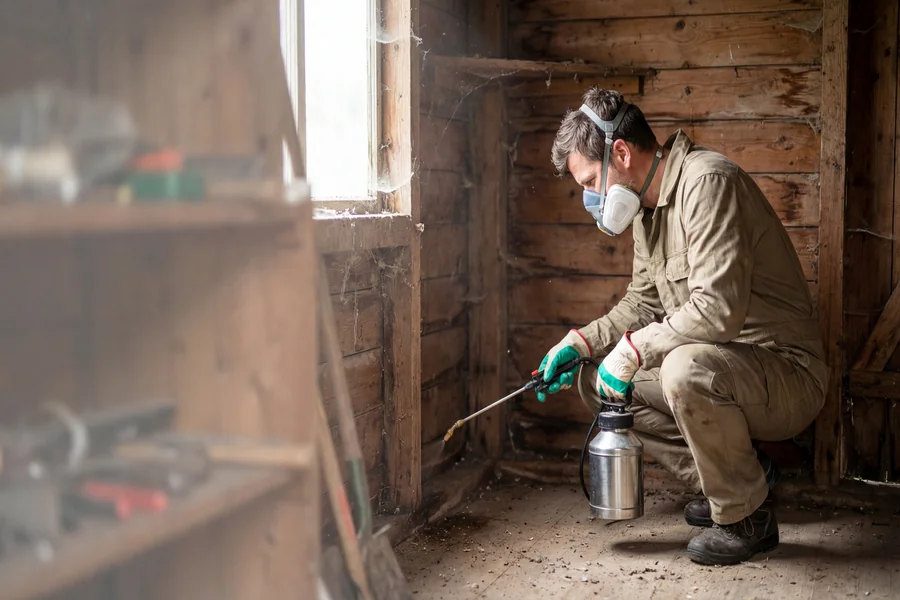
Pest infestations can start small but quickly become big problems, causing damage, spreading germs, and creating stress in your home or business. Waiting until pests appear often means dealing with more time, cost, and hassle.
The best approach is prevention, staying ahead before unwanted visitors take hold. Simple changes, routine checks, and expert strategies can make a huge difference in keeping pests out for good. In this blog, we’ll share practical tips and proven methods for preventing infestations, helping you protect your property, maintain a clean and safe environment, and enjoy peace of mind all year long.
Early Warning Signals Homeowners Miss (Signs of Pest Infestation)
You can’t fight what you don’t see coming. Most infestations announce themselves with subtle clues that homeowners routinely overlook, such as signals hiding in walls, cupboards, and those dark spaces you rarely check.
Visual clues that indicate active pest activity
Droppings remain the clearest evidence, but size and shape matter enormously here. Mouse droppings? They look like tiny rice grains scattered around. Rat droppings are larger with blunt ends. Search beneath sinks, along baseboards, and in those forgotten pantry corners. For persistent problems, contacting pest control oklahoma city experts can help identify and address infestations effectively.
Watch for gnaw damage on food boxes, electrical cables, or wooden support beams, classic rodent signatures. Greasy smudge marks along walls develop where rats and mice use the same travel corridors repeatedly. Termites construct mud tubes up foundation walls and leave behind frass, that telltale sawdust-like residue near wooden structures.
Sound, smell, and “timing” clues
Scratching inside walls or overhead in the attic? That usually happens after dark when rodents become active. Persistent buzzing near window frames might mean wasps are constructing nests, while soft tapping could indicate termites actively consuming wood.
A musty, oily smell frequently signals cockroach presence, whereas sharp ammonia scents suggest rodent urine accumulation. Seasonal timing tells you plenty: ants and termite swarms explode during spring months, mosquitoes dominate the summer calendar, and rodents rush indoors as fall temperatures decline.
“High-risk zones” checklist
Your kitchen holds prime real estate for pests: the warm space under sinks and behind refrigerators offers both moisture and heat. Laundry rooms, attics, and crawlspaces provide quiet nesting locations. Your garage deserves regular scrutiny since pests often enter there first.
Outside your walls, examine mulch beds closely, check woodpile areas, and identify any areas where water collects. Inspect gaps surrounding pipes, cables, and utility penetrations; pests can compress themselves through openings the size of a dime.
The Infestation Cycle: Conditions That Invite Pests Indoors
Now you understand what to watch for. But *why* did these creatures choose your property specifically? It typically boils down to three irresistible conditions you’re unknowingly providing.
Water and humidity
Dripping faucets, condensation on pipes, and clogged gutters function as moisture magnets. Bathrooms lacking ventilation and damp crawlspaces become breeding paradises for numerous pest species.
Run exhaust fans for a minimum of 15 minutes following showers. If your indoor humidity stays above 50% consistently, a dehumidifier becomes essential. Plumbing leaks require immediate attention; there’s no negotiating this if prevention matters to you.
Home Pest Prevention Tips That Work Year-Round
Knowing what attracts pests only gets you halfway there. Here’s your comprehensive year-round strategy to eliminate those attractive conditions before they snowball into serious infestations.
Clean routines designed to prevent pest infestations
Invest just 10 minutes daily in wiping surfaces, sweeping floor perimeters, and securing garbage in covered bins. This minimal daily reset dramatically reduces your home’s appeal to pests.
Weekly tasks should include pulling appliances forward to clean behind them and rotating pantry stock to catch spills promptly. Stop leaving pet food accessible, adopt scheduled feeding times, and use airtight storage containers.
Moisture fixes that reduce pest pressure fast
Maintain indoor humidity within the 30-50% range. Install vapor barriers in crawlspaces and verify adequate ventilation exists. Extend downspouts at least six feet away from your foundation and clean gutters biannually.
Exclusion Tactics: Sealing Your Home Like a Pro
Even the most meticulously cleaned, moisture-controlled home remains vulnerable if physical entry points stay open, so let’s transform your house into a fortress through strategic exclusion work that delivers maximum prevention value.
Exterior sealing checklist
Apply silicone or urethane caulk to foundation cracks and around window frames. Expanding foam handles larger voids effectively, but avoid overfilling; excess foam can distort framing alignment.
Pack steel wool or copper mesh into potential rodent entry gaps (they cannot chew through metal). Install door sweeps on every exterior door and replace weatherstripping each year.
“Perimeter-first” approach
Begin at your foundation line and progress upward. Seal sill plate cracks and examine weep holes (maintain their function but consider mesh covers). Focus extra attention on where different construction materials meet; these junctions commonly develop gaps.
Where utilities penetrate your home’s exterior, combine foam sealant with escutcheon plates for secure, professional results. Cable and internet line entry points represent notorious weak spots that most people ignore.
Garage, attic, and crawlspace
Examine garage door seals along the bottom and side edges; worn seals frequently become entry corridors. In attics, inspect soffit vents, gable vents, and exhaust fan louvers for damage.
Crawlspace access doors must seal completely. If you’ve installed a vapor barrier, verify that edges remain properly secured. Rodents routinely exploit even the smallest openings in these vulnerable areas.
Quick-Reference Checklists
We’ve condensed everything into rapid, actionable checklists you can bookmark, print, and implement immediately.
15-minute weekly walkthrough
Examine all exterior doors for bottom gaps. Check window screens for damage. Walk your foundation perimeter, hunting for new cracks or openings.
Inside, clean kitchen surfaces thoroughly and inspect under sinks for leaks. Empty all trash receptacles regardless of fill level, and confirm outdoor bins close tightly.
Your Pest Prevention Questions Answered
1. Which pest control methods prevent infestations long-term?
Exclusion combined with rigorous sanitation produces the best results. Seal entry routes, remove food and water availability, and maintain consistent inspection schedules. Chemical treatments alone won’t succeed if environmental conditions continue to favor pest survival.
2. What are the first signs of pest infestation in a home?
Droppings, gnaw damage, grease streaks, and strange odors typically emerge first. You might detect scratching sounds at night or discover damaged food packaging before ever seeing actual pests.
3. Why do I keep getting pests even after cleaning?
You’re likely overlooking moisture concerns or unsealed entry gaps. Pests require water more urgently than food, so plumbing leaks and elevated humidity often outweigh the importance of crumbs. Examine your home’s exterior for access points.
4. How can I prevent pest infestations in an apartment?
Concentrate on your unit’s interior: seal gaps surrounding pipes and cables, install door sweeps, and maintain dry, clean conditions. Report building maintenance problems promptly since pests migrate through shared walls easily.
Protecting Your Home for the Long Haul
Prevention outperforms reaction every time in the pest control arena. The strategies outlined here, addressing moisture issues, sealing access points, establishing clean routines, and remaining vigilant to early warning signs, create a comprehensive defense system protecting your home continuously.
Begin with high-impact interventions like sealing gaps and fixing leaks, then develop consistent habits around weekly inspections and monthly maintenance tasks. You don’t need to accomplish everything immediately, but you absolutely must begin. The alternative means waiting until pests have already established residence and claimed territory. That’s a battle nobody wants to fight.


