
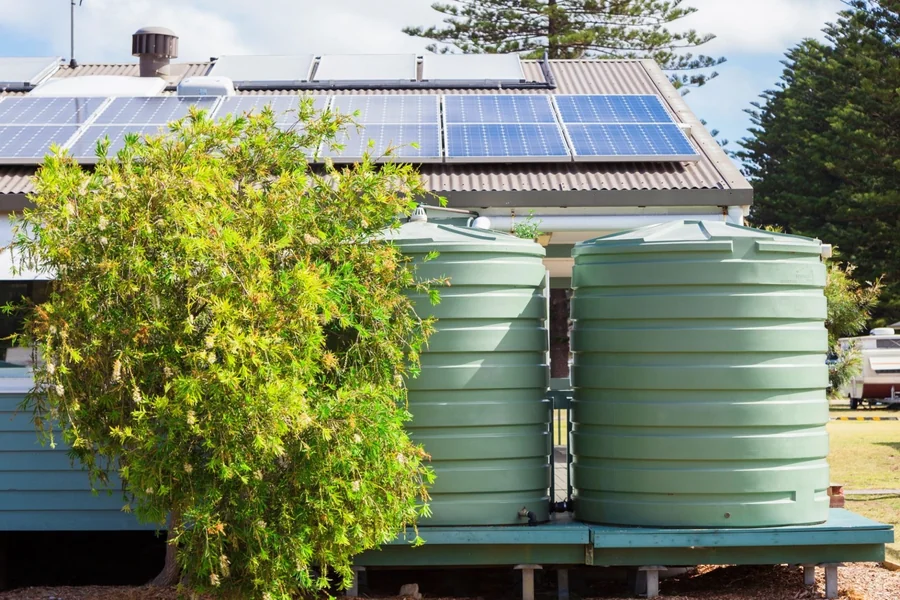
Water is an indispensable resource that sustains all forms of life. With the growing concerns of water scarcity and environmental sustainability, proper water storage solutions have become more crucial than ever. Among the various materials used for water containment, concrete tanks for water storage stand out for their durability, versatility, and sustainability.
The Durability of Concrete Water Tanks
One of the primary reasons why concrete tanks are favoured for water storage is their exceptional lifespan. Concrete is renowned for its strength and resistance to environmental factors. Concrete tanks are designed to last for several decades, making them a one-time investment for many businesses and homeowners.
The structural integrity of concrete ensures that these tanks can withstand harsh weather conditions, including extreme temperatures, and heavy rainfall. Unlike other materials that might corrode or become brittle over time, concrete maintains its robustness, ensuring a secure water storage solution.
Concrete Tanks and Water Quality
Ensuring that water retains its quality over time is a significant consideration for any storage solution. Concrete tanks are inherently alkaline, which means that they can help to maintain a stable pH level in the stored water, deterring bacterial growth and maintaining water quality.
Additionally, the opaque nature of concrete also helps in preventing algae growth, which requires sunlight. This feature is particularly important for potable water storage, where water quality cannot be compromised.
Sustainability of Concrete Tanks
When discussing sustainability, it is important to consider the entire lifecycle of the product. Concrete’s robustness translates to less frequent replacements, and its ingredients – cement, water, sand, and aggregate – are abundant and often locally sourced, reducing the environmental impact related to transportation.
Furthermore, the production of concrete tanks can often make use of recycled materials, contributing to a more circular economy. End-of-life concrete can also be crushed and recycled, ensuring that the material’s impact on the environment is minimized.
Energy Efficiency in Production and Installation
The manufacturing process of concrete is energy-intensive; however, when evaluated over the tank’s long service life, the energy per year of use is relatively low. Modern manufacturing techniques continue to reduce the energy footprint of concrete production.
Installation of concrete tanks is relatively straightforward, and because they often require little to no maintenance, the energy and cost associated with repairs and upkeep are reduced. This is in contrast to other materials which might necessitate regular maintenance or early replacement due to deterioration.
Customisation and Versatility of Concrete Tanks
The versatility of concrete tanks offers significant advantages. They can be customised in various shapes and sizes, making them suitable for a range of applications, from residential to commercial use. This also means they can be designed to fit specific site conditions and storage requirements.
Additionally, concrete tanks can be built either above ground or below, with underground tanks being an excellent option for space-saving and for maintaining the aesthetic of the property. Underground tanks can also benefit from the insulating properties of the earth, helping to moderate the temperature of the stored water.
Improving Water Security with Concrete Tanks
As climate patterns become more unpredictable, securing water supplies is of the utmost importance. Concrete tanks for water storage serve as reliable reservoirs for rainwater harvesting systems, contributing to water security and reducing reliance on municipal supplies – an increasingly pressing issue in many regions.
These tanks enable households and businesses to collect and store large quantities of rainwater, which can then be used for irrigation, flushing toilets, and, with proper treatment, even as drinking water. Investing in a concrete tank is thus not only environmentally responsible but also prudent in terms of resource management.
Regulatory Compliance and Safety
In addition to their functional benefits, concrete water storage tanks often meet or exceed regulatory standards for water storage, including those related to fire protection and public health. Their non-combustible nature makes concrete tanks ideal for fire-prone areas.
Safety is also a key benefit of concrete tanks. They do not emit harmful substances into the stored water and are resistant to the growth of bacteria and pathogens due to their high pH. As such, they are a safe choice for storing water for any purpose.
Resisting Natural Disasters
The resilience of concrete tanks against natural disasters such as earthquakes, floods, and bushfires is unmatched by other materials. Their strong construction allows them to remain intact and functional even in the wake of such events, ensuring that water supplies remain secure.
This resistance to natural calamities is particularly crucial for communities in disaster-prone areas, as it safeguards a critical resource required for recovery and daily life in the aftermath.
Conclusion
Concrete tanks represent a robust, efficient, and sustainable option for water storage. Their adaptability, low maintenance requirements, and ability to protect and maintain water quality make them a compelling choice for individuals and organisations focused on environmental sustainability and resource management.
In summary, the features and benefits of concrete tanks offer peace of mind and contribute significantly to the resilience and sustainability of water storage systems. As the demand for effective water storage solutions continues to grow, concrete tanks remain a superior choice, offering a harmonious blend of durability, efficiency, and eco-friendly attributes.