
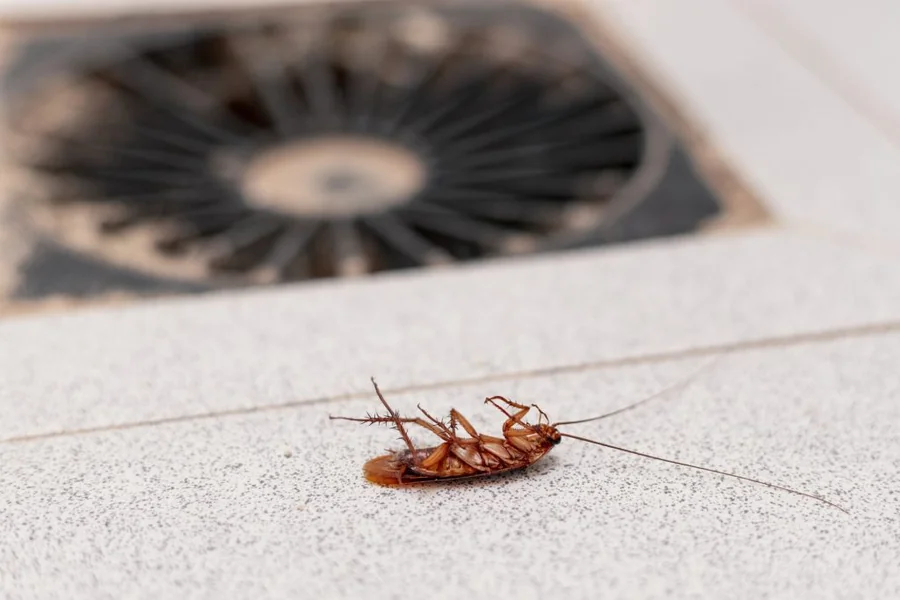
Cockroaches have long been associated with dense, older urban environments, where aging infrastructure and crowded living conditions create ideal habitats for these resilient pests. However, a noticeable shift has occurred in recent years, with more suburban homeowners reporting unexpected cockroach infestations. This trend has left many residents puzzled, as suburban neighborhoods are often newer, cleaner, and less densely populated than city centers. Understanding why cockroaches are increasingly appearing in suburban homes requires a closer look at changes in urban development, pest behavior, climate, and human habits that are reshaping where these insects choose to live and thrive.
What’s driving cockroaches to the suburbs?
Changing urban landscapes and pest migration
Urban areas have undergone significant redevelopment and modernization over the past few decades. Many older buildings, which once provided perfect hiding spots and food sources for cockroaches, have been renovated or demolished. As cities invest in improved sanitation, infrastructure, and pest management, the traditional habitats for cockroaches are disappearing. This forces these pests to seek new environments where they can survive and reproduce. Suburban neighborhoods, with their abundance of single-family homes, gardens, and green spaces, offer new opportunities for cockroaches. The migration is also influenced by the expansion of suburbs themselves, which often encroach on natural habitats and disrupt local ecosystems. As a result, cockroaches are adapting to these changes by moving into suburban homes, where they find shelter, food, and water in garages, basements, kitchens, and even outdoor sheds. The shift is not just a matter of convenience for the pests but a necessity driven by the transformation of their traditional urban environments.
Suburban home design and environmental factors
Modern suburban homes are designed for comfort and efficiency, but certain features can inadvertently attract cockroaches. Open floor plans, attached garages, and extensive landscaping create multiple entry points and hiding places for pests. Additionally, suburban homes often have larger yards with mulch, compost, and garden beds that provide ideal breeding grounds for cockroaches. The use of irrigation systems and outdoor lighting can also draw insects closer to the house, increasing the likelihood of indoor infestations. Climate change plays a role as well, with warmer temperatures and milder winters allowing cockroach populations to survive and expand in regions that were previously inhospitable. Homeowners may not realize that small cracks in foundations, gaps around doors and windows, or poorly sealed utility lines can serve as easy access points for cockroaches. Once inside, these pests can quickly establish themselves, especially if food and water are readily available. For those seeking cockroach control Overland Park, understanding these environmental and structural factors is crucial for effective prevention and management.
Human behavior and lifestyle changes
The way people live in suburban areas has also contributed to the rise in cockroach sightings. Increased reliance on takeout food, online grocery deliveries, and packaged goods means more cardboard boxes and food containers are brought into homes, often stored in garages or basements where cockroaches can easily access them. Suburban families may also generate more organic waste from gardening, composting, and outdoor cooking, providing additional food sources for pests. The popularity of outdoor living spaces, such as patios and decks, creates more opportunities for cockroaches to find shelter close to the home. Seasonal activities like barbecues and pool parties can leave behind crumbs, spills, and trash that attract insects. Furthermore, as suburban neighborhoods grow, the proximity of homes to one another increases the likelihood of infestations spreading from house to house. Shared fences, communal green spaces, and neighborhood parks can serve as corridors for cockroach movement, making it harder for individual homeowners to keep pests at bay without coordinated community efforts.
The role of climate and weather patterns
Weather patterns have a significant impact on cockroach populations and their movement into suburban areas. Warmer temperatures and increased humidity create ideal conditions for cockroach breeding and survival. In many regions, climate change has led to longer warm seasons and shorter, milder winters, allowing cockroach populations to thrive year-round. Heavy rainfall and flooding can drive cockroaches out of their natural habitats and into homes in search of dry shelter. Drought conditions, on the other hand, may force cockroaches to seek water sources indoors. Suburban areas with extensive irrigation systems, swimming pools, and water features can inadvertently provide the moisture cockroaches need to survive. These environmental changes, combined with the adaptability of cockroaches, make it increasingly difficult to predict and control infestations. Homeowners must remain vigilant, especially during periods of extreme weather, to prevent cockroaches from establishing themselves indoors.
Suburban pest control challenges
Suburban environments present unique challenges for pest control. Unlike densely populated urban areas, where coordinated pest management efforts are more common, suburban neighborhoods often rely on individual homeowners to address infestations. This can lead to inconsistent results, as some residents may be proactive while others are unaware of the problem. The larger lot sizes and abundance of outdoor spaces in the suburbs provide more hiding places for cockroaches, making detection and elimination more difficult. Additionally, the use of pesticides and other control methods must be carefully managed to avoid harming beneficial insects, pets, and children. Integrated pest management strategies that combine sanitation, exclusion, and targeted treatments are essential for long-term success. Community education and cooperation can also play a vital role in reducing the overall cockroach population and preventing infestations from spreading between homes.
Quick facts about cockroach habits
Cockroaches are nocturnal insects that prefer dark, moist environments. They are highly adaptable and can survive on a wide variety of food sources, including crumbs, grease, and organic waste. Cockroaches reproduce quickly, with some species capable of producing hundreds of offspring in a single year. Their ability to squeeze through tiny cracks and hide in hard-to-reach places makes them difficult to eliminate once they have established themselves in a home.
Conclusion
The increasing presence of cockroaches in suburban homes is the result of a complex interplay between changing urban landscapes, modern home design, human behavior, and shifting climate patterns. As cities modernize and traditional cockroach habitats disappear, these pests are forced to adapt and seek new environments where they can thrive. Suburban neighborhoods, with their abundance of food, water, and shelter, have become attractive alternatives. Homeowners must be aware of the factors that contribute to infestations and take proactive steps to prevent cockroaches from entering their homes. By understanding the reasons behind this shift, residents can better protect their properties and maintain a healthy, pest-free living environment.